Industrial Strainer
Industrial Precision Engineering


Industrial
Strainer
Product Features
Effective Particle Filtration
Protects Downstream Equipment
Durable & Corrosion-Resistant Construction
Easy Maintenance & Cleaning
Production Capacity
Variable
Typical Lead Time
4-6 Weeks
Products
Related Products
Project Scalability
Scalable engineering for Small Ops to Global Enterprises.
Engineering
In Numbers
Quantifying the reliability of Prikosa’s high-precision chemical dosing and agitation infrastructure.
0
+Project Units
0
+Enterprise Clients
0
+Custom Agitators
0
+Years Excellence
Industrial Strainer Reliable Fluid Filtration
High-Performance Industrial Strainer
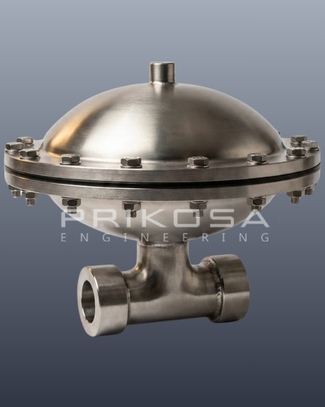
A Strainer is an essential component in industrial fluid handling systems designed to remove unwanted particles, debris, and contaminants from liquids, gases, and steam. Whether used in chemical processing, water treatment, oil and gas, pharmaceuticals, or power plants, a high-quality strainer ensures smooth operation, protects expensive equipment, and minimizes downtime.
Industrial processes rely heavily on clean and uninterrupted fluid flow. Installing the right Strainer helps improve system efficiency, extends the lifespan of pumps and valves, and reduces maintenance costs. From protecting dosing pumps to safeguarding pipelines and instrumentation, they play a vital role in maintaining operational excellence.
At the heart of every reliable process system lies an efficient filtration solution. A premium-grade strainer is designed to handle demanding operating conditions while delivering exceptional performance and durability.
What is a Strainer?
A Strainer is a mechanical filtration device used to remove solid particles from flowing fluids. It consists of a perforated or mesh-lined element enclosed within a housing. As the fluid passes through the strainer, contaminants are trapped while clean fluid continues downstream.
Strainers are widely used across industries for:
- Chemical Processing Plants
- Water and Wastewater Treatment Facilities
- Oil & Gas Industries
- Pharmaceutical Manufacturing
- Food & Beverage Processing
- Petrochemical Industries
- Power Generation Plants
- HVAC Systems
- Marine Applications
- Industrial Utility Systems
By preventing foreign particles from entering sensitive equipment, a Strainer significantly improves the reliability and performance of the entire system.
Why is a Strainer Important?
Using a Strainer offers several advantages:
- Protects pumps and dosing systems.
- Prevents clogging of valves and nozzles.
- Improves equipment lifespan.
- Reduces maintenance and repair costs.
- Ensures uninterrupted process flow.
- Enhances operational efficiency.
- Minimizes unplanned shutdowns.
- Maintains product quality.
A properly selected Strainer acts as the first line of defense against contamination and contributes significantly to process safety and productivity.
Types of Strainers
- Y-Type Strainer: The Y-Type Strainer is one of the most commonly used filtration devices in industrial applications. Its compact design makes it ideal for horizontal and vertical installations. Features include compact construction, easy maintenance, low pressure drop, and suitability for steam, water, and gas applications.
- Basket Strainer: Basket strainers are designed for applications requiring high dirt-holding capacity. Features include large filtration area, high flow capacity, easy cleaning, and availability in simplex and duplex configurations.
- T-Type Strainer: T-Type strainers are suitable for heavy-duty industrial applications involving large volumes of fluid, featuring robust construction and high filtration efficiency.
- Temporary Strainer: Temporary strainers are installed during commissioning and startup operations to protect equipment from construction debris.
Key Features of Industrial Strainers
- High filtration efficiency
- Corrosion-resistant construction
- Stainless steel mesh elements
- Durable and long-lasting design
- Low maintenance requirements
- High pressure and temperature resistance
- Easy installation and servicing
- Customizable mesh sizes
- Leak-proof performance
- Compact and space-saving designs
Why Choose Us for Your Strainer Requirements?
- Engineering Excellence: Designed using advanced engineering practices to ensure optimal flow rates, minimal pressure drop, and maximum filtration efficiency.
- Customization Available: Custom-built strainers tailored to specific pipe sizes, pressure ratings, temperature requirements, and mesh size specifications.
- Stringent Quality Control: Hydrostatic testing, dimensional inspection, and material certification to ensure compliance with ASME, ASTM, DIN, and API standards.
- Wide Range of Sizes & Ratings: From small-diameter strainers to large industrial units across various pressure classes.
- Timely Delivery & Competitive Pricing: Efficient production ensuring on-time delivery at competitive rates.
This complete range of filtration solutions is proudly manufactured and supplied by Prikosa Engineering.
Applications of Strainers
- Chemical Industry: Used in chemical plants to protect pumps, mixers, and dosing systems from particulate contamination.
- Water Treatment: In water treatment facilities, strainers remove suspended solids and help maintain system efficiency.
- Oil & Gas: Extensively used in pipelines, compressor stations, and processing units to prevent equipment damage.
- Pharmaceutical Industry: Pharmaceutical manufacturers rely on strainers to maintain purity standards and comply with strict regulatory requirements.
- Food & Beverage: Food processing plants use sanitary strainers to ensure contamination-free production.
- Power Plants: Power generation facilities utilize strainers to protect turbines, heat exchangers, and cooling systems.
Why Choose Prikosa Engineering?
When it comes to industrial fluid handling and filtration solutions, selecting the right manufacturing partner is just as important as choosing the right equipment. Prikosa Engineering has established itself as a trusted name in the industry by delivering reliable, high-performance, and precision-engineered Strainers for a wide range of industrial applications.
How Does a Strainer Work?
- Fluid enters the Strainer housing.
- The filtration element captures suspended particles.
- Clean fluid passes through the mesh.
- Contaminants remain trapped inside the basket or screen.
- Periodic cleaning restores optimal performance.
Benefits of Installing a Strainer
- Enhanced Equipment Protection: Prevents debris from entering critical equipment, reducing wear and tear.
- Improved Process Efficiency: Clean fluid flow results in better system performance and consistent output.
- Lower Maintenance Costs: Reduced contamination means fewer repairs and lower maintenance expenses.
- Extended Equipment Life: By minimizing damage caused by foreign particles, strainers significantly extend equipment lifespan.
- Reduced Downtime: High reliability helps maintain continuous operations.
- Increased Safety: Preventing blockages and equipment failures contributes to safer working environments.
Selecting the Right Strainer
Consider the following key factors:
- Type of fluid
- Operating pressure
- Temperature conditions
- Flow rate requirements
- Particle size & mesh rating
- Material compatibility
- Installation space
- Maintenance accessibility
Get in Touch for Your Strainer Requirements
With years of expertise in industrial fluid handling solutions, Prikosa Engineering delivers premium-quality engineered Strainers for superior performance and reliability. Our products are manufactured using high-grade materials and undergo stringent quality checks to meet industry standards.
Technical FAQ
What our clients say
Client
Testimonials.
50,000+ Satisfied Clients