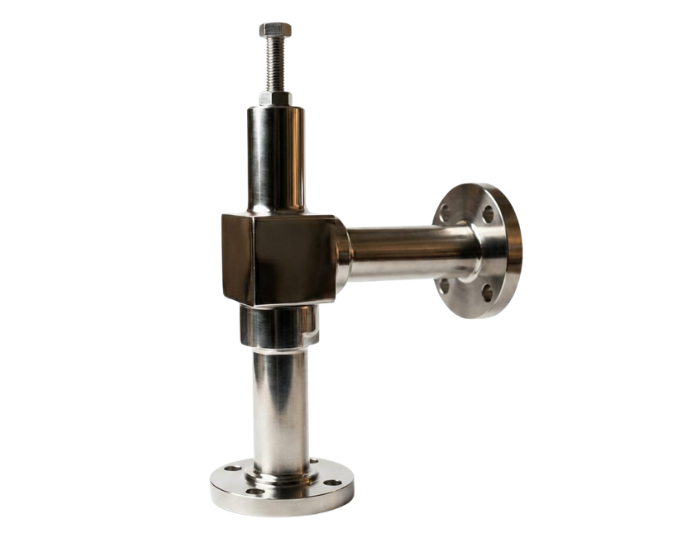
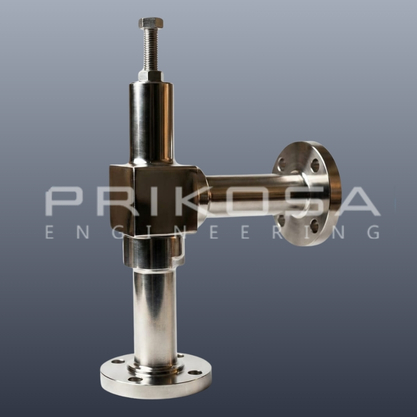
PRV Pressure Reducing Valve
Industrial Precision Engineering


PRV Pressure
Reducing Valve
Product Features
Accurate Pressure Regulation
Protects Equipment & Pipelines
Durable & Corrosion-Resistant Design
Easy Installation & Low Maintenance
Production Capacity
Variable
Typical Lead Time
4-6 Weeks
Products
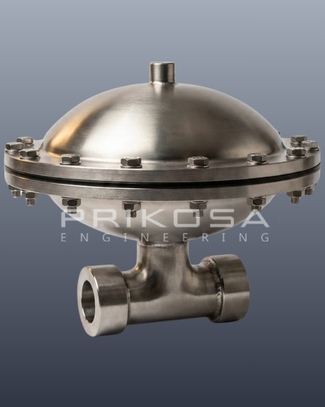
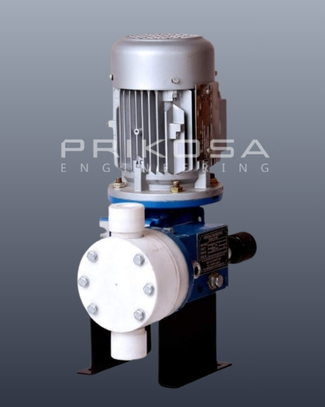
Related Products
Project Scalability
Scalable engineering for Small Ops to Global Enterprises.
Engineering
In Numbers
Quantifying the reliability of Prikosa’s high-precision chemical dosing and agitation infrastructure.
0
+Project Units
0
+Enterprise Clients
0
+Custom Agitators
0
+Years Excellence
PRV | Pressure Reducing Valve
High-Performance PRV (Pressure Reducing Valve) for Reliable Flow Control
A PRV is an essential component in industrial fluid handling systems designed to reduce and maintain a consistent downstream pressure regardless of fluctuations in inlet pressure. Industries that rely on pumps, pipelines, dosing systems, and pressurized fluid networks require a high-quality PRV to ensure safety, efficiency, and long-term equipment performance.
Whether used in water treatment plants, chemical processing units, pharmaceuticals, power plants, food processing facilities, or industrial manufacturing applications, a durable Pressure Reducing Valve helps prevent damage caused by excessive pressure while improving process stability.
At the heart of every efficient piping system is a precision-engineered PRV that delivers accurate pressure control, minimizes maintenance requirements, and enhances operational reliability.
What is a PRV (Pressure Reducing Valve)?
A PRV (Pressure Reducing Valve) is a mechanical device that automatically reduces a higher inlet pressure to a lower, controlled outlet pressure. It maintains a predetermined pressure level irrespective of changes in the incoming pressure or system demand.
The primary purpose of a Pressure Reducing Valve is to:
- Protect downstream equipment from overpressure.
- Maintain stable operating conditions.
- Improve system efficiency.
- Reduce energy consumption.
- Extend the life of pumps, pipelines, and instrumentation.
- Prevent leakage and component failure.
A well-designed PRV acts as a safeguard for industrial systems where pressure variations can negatively impact productivity and safety.
How Does a Pressure Reducing Valve Work?
The operation of a Pressure Reducing Valve is based on a balance between spring force and downstream pressure. When fluid enters the valve at high pressure, the internal mechanism adjusts the valve opening to maintain the desired outlet pressure.
Working Principle:
- High-pressure fluid enters the valve.
- The valve senses downstream pressure.
- The internal spring and diaphragm/piston regulate flow.
- Outlet pressure is maintained at a preset level.
- The valve continuously adjusts to changing flow demands.
This automatic pressure regulation makes the PRV an indispensable part of industrial fluid management systems.
Key Features
Modern Pressure Reducing Valves feature:
- Accurate pressure regulation.
- Compact and robust construction.
- Corrosion-resistant materials.
- Low maintenance requirements.
- Long service life.
- Leak-proof operation.
- Wide pressure adjustment range.
- Easy installation and servicing.
- Suitable for continuous operation.
- Excellent resistance to wear and tear.
Applications of Pressure Reducing Valve
- Water Treatment Plants (ETP & STP)
- Chemical Processing Industries
- Pharmaceutical Manufacturing
- Oil & Gas Facilities
- Power Generation Plants
- Food & Beverage Industries
- Textile, Pulp & Paper Manufacturing
- Boiler Systems & Industrial Pumping Stations
- Irrigation & HVAC Systems
Benefits of Using a PRV
- 1. Equipment Protection: Protects sensitive equipment from excessive pressure and prevents premature failures.
- 2. Improved Safety: Maintains safe operating pressure levels, significantly reducing the risk of accidents and breakdowns.
- 3. Enhanced Efficiency: Stable pressure improves overall system performance and ensures consistent output.
- 4. Reduced Maintenance Costs: Preventing pressure-related damage minimizes repair expenses and downtime.
- 5. Increased Equipment Lifespan: Pumps, pipes, and valves last longer when operating within recommended pressure limits.
- 6. Energy Savings: Optimizes energy consumption throughout the system.
Types of Pressure Reducing Valves
- Direct Acting Pressure Reducing Valve
- Pilot Operated Pressure Reducing Valve
- Water & Steam Pressure Reducing Valves
- Gas, Hydraulic & Pneumatic Pressure Reducing Valves
- Industrial Pressure Reducing Valve
Why Choose a High-Quality PRV?
A premium PRV ensures precise pressure control, maximum reliability, superior durability, reduced downtime, improved process efficiency, and long-term cost savings in compliance with industrial standards.
Why Choose Prikosa Engineering?
When it comes to industrial pressure management solutions, selecting the right manufacturer is just as important as choosing the right valve. Prikosa Engineering has established itself as a trusted name in delivering high-performance PRV (Pressure Reducing Valve) solutions that meet the demanding requirements of modern industries.
Factors to Consider Before Buying a Pressure Reducing Valve
- Inlet pressure range & desired outlet pressure
- Flow rate requirements
- Material compatibility
- Operating temperature
- Installation environment & accessibility
- Industry-specific standards
Maintenance Tips for PRV
- Inspect the valve periodically.
- Check for leaks and pressure fluctuations.
- Clean internal components & replace worn seals/diaphragms.
- Verify pressure settings and monitor system performance.
Why Industries Trust Pressure Reducing Valves
Industries worldwide depend on PRV technology because it offers reliable pressure management, consistent system performance, improved operational safety, reduced operational expenses, and long-lasting durability.
With years of expertise in industrial fluid management solutions, Prikosa Engineering provides precision-engineered products designed to meet the highest standards of quality, reliability, and performance.
Technical FAQ
What our clients say
Client
Testimonials.
50,000+ Satisfied Clients