
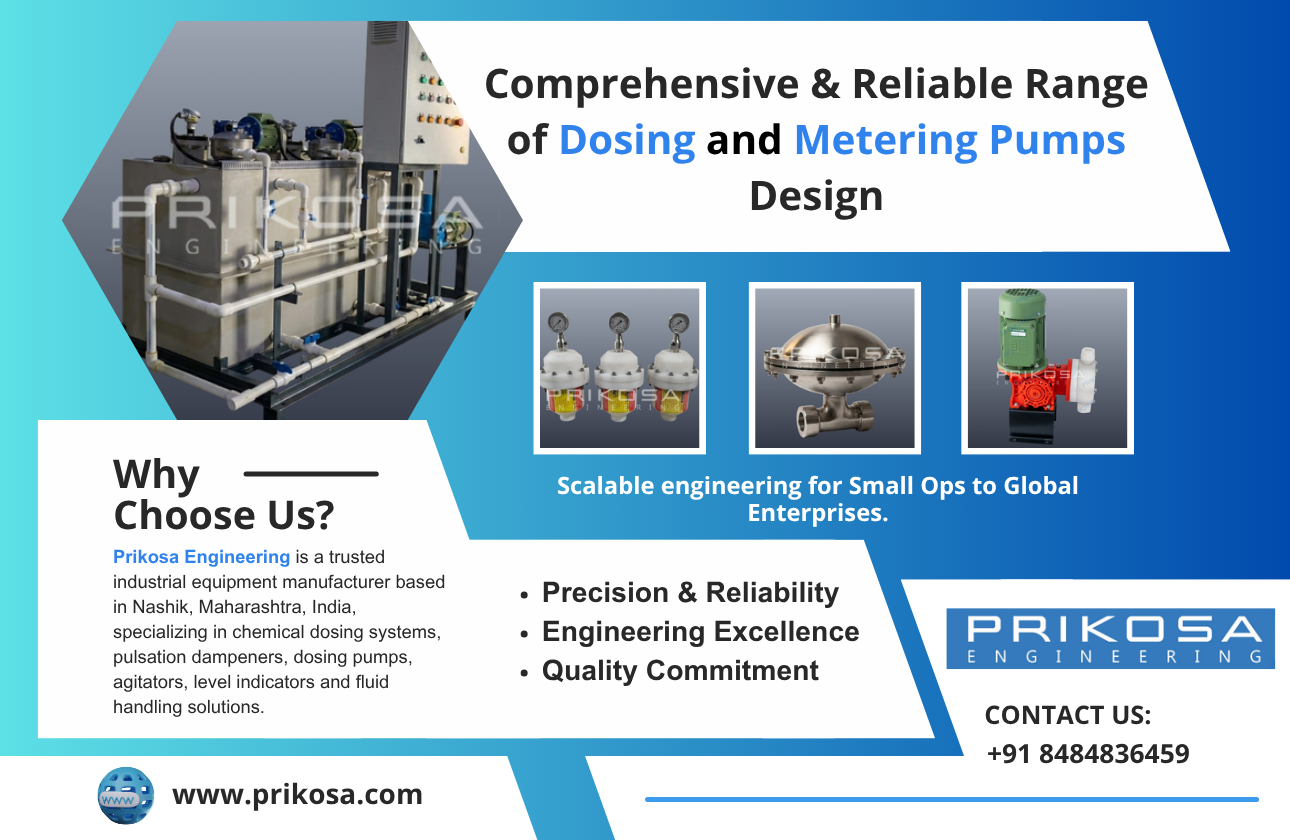
Introduction to Smart Dosing Systems
Smart dosing systems are at the forefront of technological advancements in various industries. These systems are designed to precisely and automatically deliver the correct dosage of chemicals or nutrients in processes, which significantly enhances the efficiency and effectiveness of operations. From water treatment facilities to industrial processing plants, the use of smart dosing systems helps in reducing human error and increasing operational safety. These systems are increasingly being adopted due to their ability to automate dosing tasks with high accuracy.
What Makes a Dosing System 'Smart'?
A dosing system is considered 'smart' when it incorporates advanced technology to optimize its performance and functionality. Smart dosing systems typically include sensors, software algorithms, and connectivity features that allow for remote monitoring and control. These technologies enable the system to adjust the dosing rate automatically based on real-time data, ensuring optimal performance. By using data gathered from sensors, the system can detect changes in flow rates or concentrations and adjust accordingly, which not only improves efficiency but also saves resources.
Advantages of Smart Dosing Systems
One of the key benefits of smart dosing systems is their ability to reduce waste and improve cost efficiency. Precise dosing ensures that only the necessary amounts of chemicals are used, which minimizes waste and reduces costs. Additionally, these systems can enhance safety by minimizing the risk of human error, which is particularly important when handling hazardous materials. The automation and remote capabilities mean fewer manual interventions are required, reducing the potential for accidents.
Sectors Benefiting from Smart Dosing Systems
Several industries benefit from the implementation of smart dosing systems. In water treatment, these systems ensure the optimal balance of chemicals needed to purify water, thus improving water quality while reducing chemical costs. In the food and beverage industry, smart dosing systems help in maintaining product consistency and quality by ensuring precise ingredient measurements. Moreover, industries such as pharmaceuticals rely on these systems to ensure the accuracy and reliability of the drug manufacturing process.
Integration with Automatic Dosing Systems
Smart dosing systems are often integrated with automatic dosing systems to enhance their capabilities. Automatic dosing systems are pre-programmed to deliver set dosages at specific times, while smart systems can adjust these dosages in real-time based on sensor data and analytics. This integration further optimizes the dosing process, making it more responsive and efficient. By combining the precision of automatic dosing systems with the adaptability of smart technology, industries can achieve superior operational control and performance.
Technological Features of Smart Dosing Systems
Technological advancements have largely contributed to the evolution of smart dosing systems. Modern systems come equipped with Internet of Things (IoT) capabilities, enabling them to seamlessly connect with other devices and systems across the network. This connectivity allows for real-time data transfer and analytics, providing insights into the dosing process that can lead to further optimizations. Additionally, many systems feature user-friendly interfaces, which simplify the control and monitoring processes for operators.
Challenges Faced by Smart Dosing Systems
Despite their many advantages, smart dosing systems are not without challenges. Initial setup and integration can be complex and may require significant investment in both time and resources. Ensuring compatibility with existing systems is also a critical consideration. Another challenge is cybersecurity, as connected systems may be vulnerable to cyber threats. Thus, it is essential to implement robust security measures to protect sensitive data and maintain operational integrity.
The Future of Smart Dosing Systems
As technology continues to advance, the future of smart dosing systems looks promising. We can expect these systems to become increasingly sophisticated, with the incorporation of artificial intelligence and machine learning techniques to enhance their predictive capabilities. These advancements will likely lead to even greater efficiencies and cost savings for industries. Additionally, as environmental concerns grow, smart dosing systems will play a crucial role in helping businesses reduce their ecological footprint by minimizing chemical wastage.
Smart Dosing Systems for Environmental Sustainability
The environment is a top priority for many industries today, and smart dosing systems contribute to environmental sustainability by optimizing chemical usage and reducing emissions. By ensuring that only the precise amount of chemicals is used, these systems minimize the excess that often ends up in the environment. Additionally, smart dosing systems help in monitoring and controlling pollution levels, directly contributing to cleaner production processes.
Frequently Asked Questions
1. What industries benefit most from smart dosing systems?
Answer: Industries such as water treatment, pharmaceuticals, agriculture, and food and beverage processing benefit significantly from smart dosing systems due to their need for precise and efficient chemical management.
2. How do smart dosing systems minimize waste?
Answer: Smart dosing systems minimize waste by using sensors and real-time data to adjust chemical dosing, ensuring only the required amount is used and excess is avoided, leading to reduced waste.
3. What are the main challenges associated with implementing smart dosing systems?
Answer: Key challenges include initial setup and integration costs, ensuring system compatibility, and addressing cybersecurity concerns to protect sensitive data from potential threats.
4. How do automatic dosing systems integrate with smart dosing systems?
Answer: Automatic dosing systems provide pre-set chemical dosages while smart systems can adjust those dosages dynamically using real-time data, achieving a more responsive and optimized operation.
5. What technologies are used in smart dosing systems?
Answer: Smart dosing systems use IoT, sensors, real-time data analytics, and sometimes AI, to monitor and adjust dosing processes, ensuring precision and optimizing efficiency.