
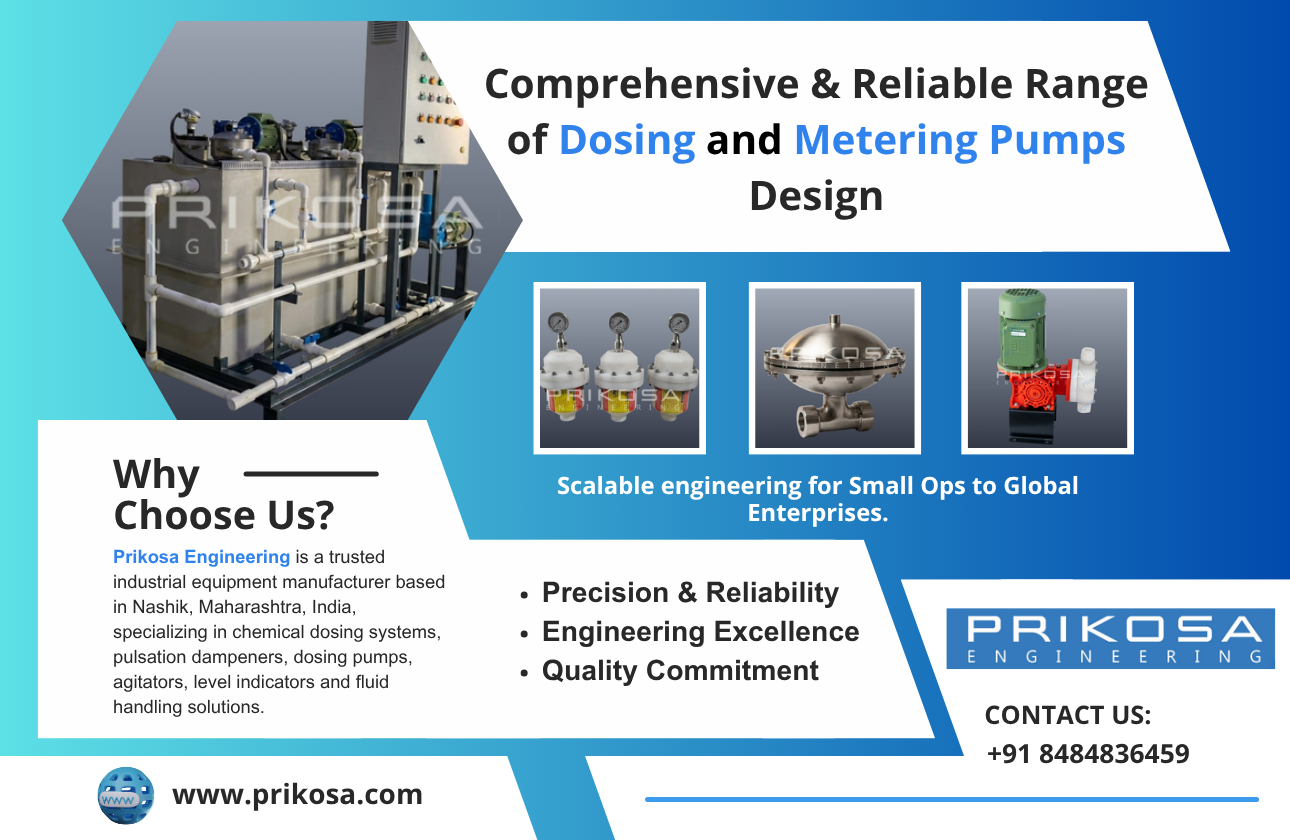
Introduction to Polymer Dosing Systems
Polymer dosing systems play a vital part in sewage treatment plants (STPs). They ensure that the water released back into the environment is clean and safe. But what exactly is a polymer dosing system? In simple terms, it's a setup that adds precise amounts of polymers into wastewater. These polymers help in separating solid particles from the liquid, making the cleaning process more efficient. Understanding these systems can help industries better manage wastewater treatment, ensuring compliance with environmental standards. As water treatment has become more sophisticated, the demand for effective polymer dosing systems has risen, making them an integral part of modern STPs.
Why STPs Use Polymer Dosing Systems
Sewage treatment plants utilize polymer dosing systems primarily for efficiency and effectiveness. These systems aid in flocculation, a process that clumps together solid particles so they can be easily removed from wastewater. Without polymers, separating these particles would be time-consuming and less effective. The polymers used are carefully chosen to match the specific needs of the wastewater being treated. They ensure that the STP operates smoothly, reducing energy and operational costs. This systematic approach not only leads to cleaner water but also enhances the plant’s efficiency.
How Polymer Dosing Systems Operate
The operation of a polymer dosing system is a fascinating blend of technology and chemistry. The system consists of a dosing unit that accurately measures and injects polymers into the wastewater. This process is automated and can adjust itself based on the wastewater’s characteristics. Sensors and control systems come together to ensure that the right amount of polymer is used every time, making the entire process seamless. It's a precise operation where both under-dosing and overdosing can have significant consequences, but modern systems manage this balance wonderfully.
Advantages of Using a Polymer Dosing System
The benefits of polymer dosing systems in STPs are numerous. Primarily, they help achieve higher levels of water purification. By effectively removing suspended solids, odors, and pollutants, these systems aid in producing water that meets strict environmental standards. In addition, they reduce the workload on other parts of the STP, which can lead to reduced maintenance costs and lower energy consumption. Such systems contribute to the sustainability efforts of companies, helping them meet regulatory requirements without sacrificing operational efficiency.
Choosing the Right Polymer for Your System
Selecting the correct type of polymer is critical for the system’s success. Different types of wastewater require different polymers. These can be either natural or synthetic, with each having unique properties suited to various applications. Making the right choice ensures the process runs efficiently and cost-effectively. It’s not just about finding a polymer that works; it's about optimizing performance under specific conditions. To achieve this, many companies work with specialists to understand their specific needs. This partnership often leads to better outcomes and heightened compliance with industry standards.
Implementing Polymer Dosing Systems in Existing STPs
Creating or altering a sewage treatment plant to incorporate a polymer dosing system might sound daunting, but it’s often necessary for modern compliance. Many STP facilities are required to upgrade their systems. Fortunately, these systems are designed to be adaptable, meaning they can be customized to fit existing operations without extensive overhauls. Companies can work with experts to integrate these systems smoothly, ensuring minimal downtime and disruption. This adaptability makes polymer dosing systems a smart investment for long-term sustainability and regulatory adherence.
Understanding Application and Maintenance
Application and maintenance are two crucial aspects of polymer dosing systems. Once installed, their operation requires monitoring and occasional adjustment to suit changes in wastewater characteristics. Regular maintenance ensures that the system runs efficiently, preventing any disruption in service. Routine inspections by trained personnel help identify minor issues before they escalate. This vigilance guarantees that the plant remains functional, safeguarding against environmental harm and potential fines associated with non-compliance.
Frequently Asked Questions
1. What is the role of polymers in wastewater treatment?
Answer: Polymers help in the coagulation and flocculation process, which aids in the separation of solids from liquids in wastewater treatment.
2. Can polymer dosing systems save costs for STPs?
Answer: Yes, they enhance efficiency, leading to reduced operational and maintenance costs, while also ensuring compliance with environmental standards.
3. How are the correct polymers chosen for a system?
Answer: Typically, the choice of polymers depends on the type and characteristics of the wastewater. Experts help in selecting the right polymer to match specific needs.
4. Are these systems easy to integrate into existing facilities?
Answer: Yes, polymer dosing systems are flexible and often customizable, making it easier to implement them into existing STP setups without major disruptions.
5. Do polymer dosing systems require regular maintenance?
Answer: Regular maintenance is necessary to ensure optimal performance. This involves routine inspections and adjustments to accommodate changes in wastewater characteristics.