
The Essentials of Polymer Dosing Systems
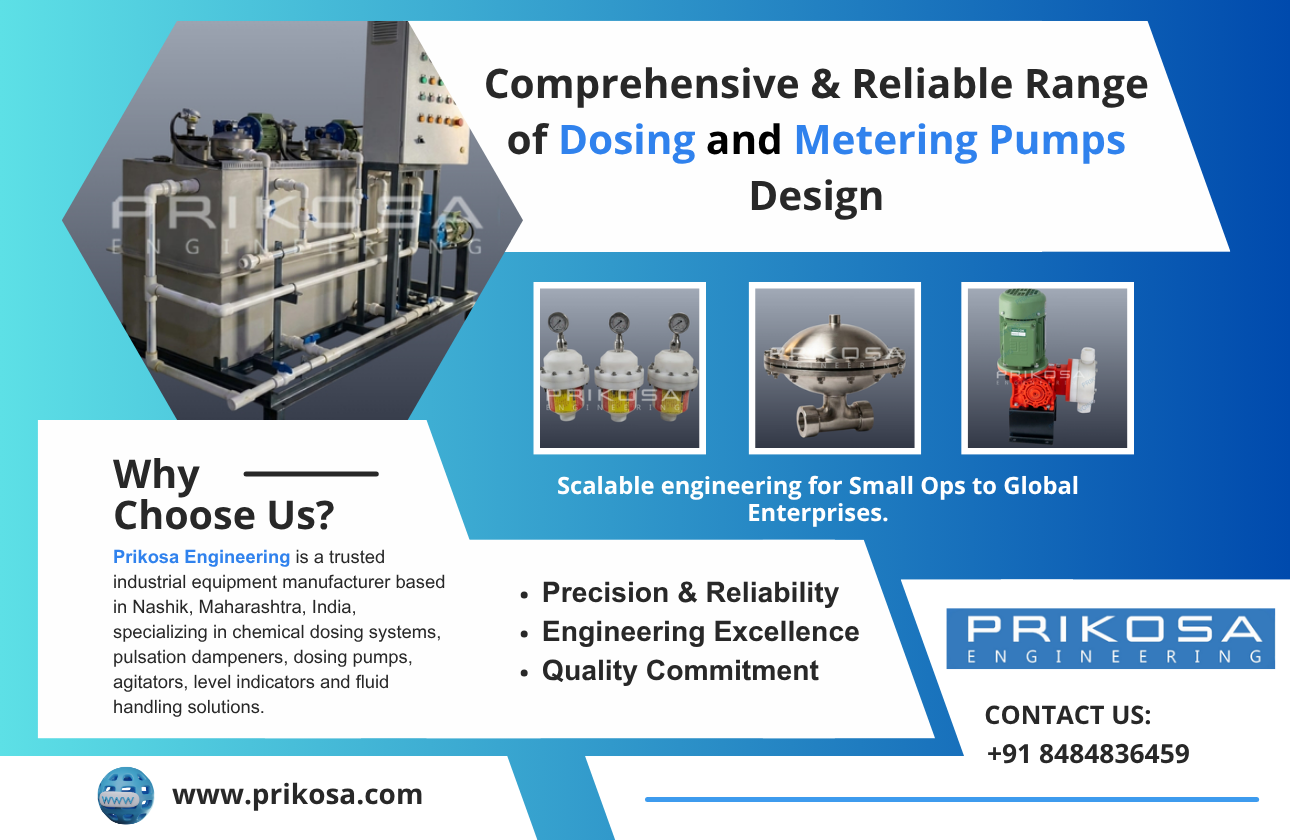
Polymer dosing systems are critical for treating water and wastewater. They serve an important role in enhancing the quality and clarity of treated water by introducing polymers into the water stream. These systems ensure that the polymers are applied in the correct quantity and concentration to achieve effective coagulation and flocculation. The main purpose is to help particles in the water bind together, making them easier to remove from the water. A polymer dosing system typically includes a dosing pump, a control unit, and a storage tank. These components work together to make sure the right amount of polymer is introduced into the water at the right time.
How Polymer Dosing Systems Work
The operation of a polymer dosing system is both straightforward and efficient. It starts with the preparation of the polymer solution in a mixing tank. Here, a precise amount of polymer is mixed with water to create a solution of specific concentration. The solution is then pumped into the water stream using a dosing pump. It is crucial the dose is just right to avoid overdosing or underdosing, both of which could significantly impact the system's performance. Advanced dosing systems incorporate sensors and controls to adjust the dosage based on real-time water quality measurements, ensuring optimal performance at all times. This technology not only makes polymer dosing systems highly effective but also reduces waste and operational costs.
The Role of Polymer Dosing Systems in ETP
Effluent Treatment Plants (ETP) utilize polymer dosing systems to treat industrial wastewater, making it safe to release back into the environment or reuse within the plant. The polymers introduced in the ETP bind with impurities in the water, causing them to form larger particles that easily settle out from the water. This process is vital in reducing the environmental impact of industries, as it ensures harmful substances are removed from their wastewater output. Moreover, having an efficient polymer dosing system means that companies can meet regulatory standards for water discharge and potentially lower treatment costs by optimizing chemical usage. With the implementation of a reliable dosing system, industries do not just protect the environment; they also benefit economically by reducing resource consumption.
Applications of Polymer Dosing Systems in STP
Sewage Treatment Plants (STP) are essential for managing urban wastewater. They rely heavily on polymer dosing systems for effective water treatment. Similar to ETP, the primary goal is to remove solid particles from the sewage through coagulation and flocculation. In sewage treatment, the polymers help bind the impurities, including organic matter and sludge, to form flocs that can be easily separated from the water. This not only improves the clarity and quality of the treated water but also aids in the production of bio-solids that can be used as fertilizers. Moreover, the use of polymer dosing systems in STP enhances the plant's efficiency, ensuring compliance with wastewater discharge regulations and the sustainability of water resources in urban areas.
Advantages of Implementing Polymer Dosing Systems
Polymer dosing systems offer multiple advantages, making them an integral part of any water treatment strategy. Firstly, they greatly enhance the efficiency of both ETPs and STPs, ensuring the water is adequately treated before it is released or reused. With well-calibrated systems, resource use is optimized, reducing the consumption of chemicals and minimizing waste. Secondly, such systems contribute to consistent water quality outputs by automatically adjusting the dosing based on real-time analysis, thereby eliminating the risks associated with human error in manual dosing processes. Finally, they help facilities comply with increasingly stringent environmental regulations by ensuring treated water meets all necessary quality standards. This not only protects the environment but can also prevent costly fines and shutdowns for non-compliance.
Understanding Polydosing Systems for ETP and STP
Polydosing systems are an advancement in chemical dosing technology, specifically designed to handle the addition of multiple chemical compounds into the water system. These systems are ideal for both ETP and STP applications where complex wastewater streams may require more than just polymers for effective treatment. A key feature of polydosing systems is their ability to precisely control the delivery of various chemicals, ensuring that each component is adequately mixed and has time to react with the impurities present. This multi-faceted approach allows for enhanced treatment efficiency, greater flexibility in addressing different types of pollutants, and improved overall system performance. Facilities utilizing polydosing systems often achieve superior results compared to those using traditional single-component dosing methods.
The Future of Polymer and Polydosing Systems
The future of water treatment looks bright with advancements in polymer and polydosing technologies. As we face growing concerns about water scarcity and environmental protection, these systems will become increasingly crucial. The integration of smart technologies, such as AI and IoT, into dosing systems will lead to even more precise dosing, further reducing chemical use and operational costs. Additionally, advances in sensor technology will allow for real-time monitoring of water conditions, ensuring that adjustments can be made instantaneously for optimal treatment. This will enhance the sustainability and efficiency of water management, addressing both environmental and economic challenges of the future.
Frequently Asked Questions
1. What is a Polymer Dosing System?
Answer: A polymer dosing system is a setup used in water treatment facilities to introduce polymers into water flows for effective coagulation and flocculation. This action helps in separating impurities from water, making it clean and safe for discharge or further use.
2. How does a Polymer Dosing System benefit ETP and STP?
Answer: In Effluent and Sewage Treatment Plants, polymer dosing systems enhance the removal of solid waste and impurities. This ensures compliance with environmental regulations, improves water clarity, and promotes sustainable water resource management by optimizing chemical use.
3. Why are Polydosing Systems important?
Answer: Polydosing systems are important because they allow for the precise addition of multiple chemicals required in treating complex water systems. This leads to improved treatment efficiency and helps address various types of pollutants effectively.
4. What are the components of a Polymer Dosing System?
Answer: A typical polymer dosing system includes a storage tank for the polymer, a mixing chamber to prepare the solution, a dosing pump to inject the solution into the water stream, and a control unit to monitor and adjust the dosing as necessary.
5. What advancements are expected in Polymer and Polydosing Systems?
Answer: Future advancements are likely to include the integration of smart technologies like AI and IoT, which will provide more precise dosing and real-time monitoring capabilities. This will lead to reduced chemical usage, lower costs, and enhanced environmental protection.