
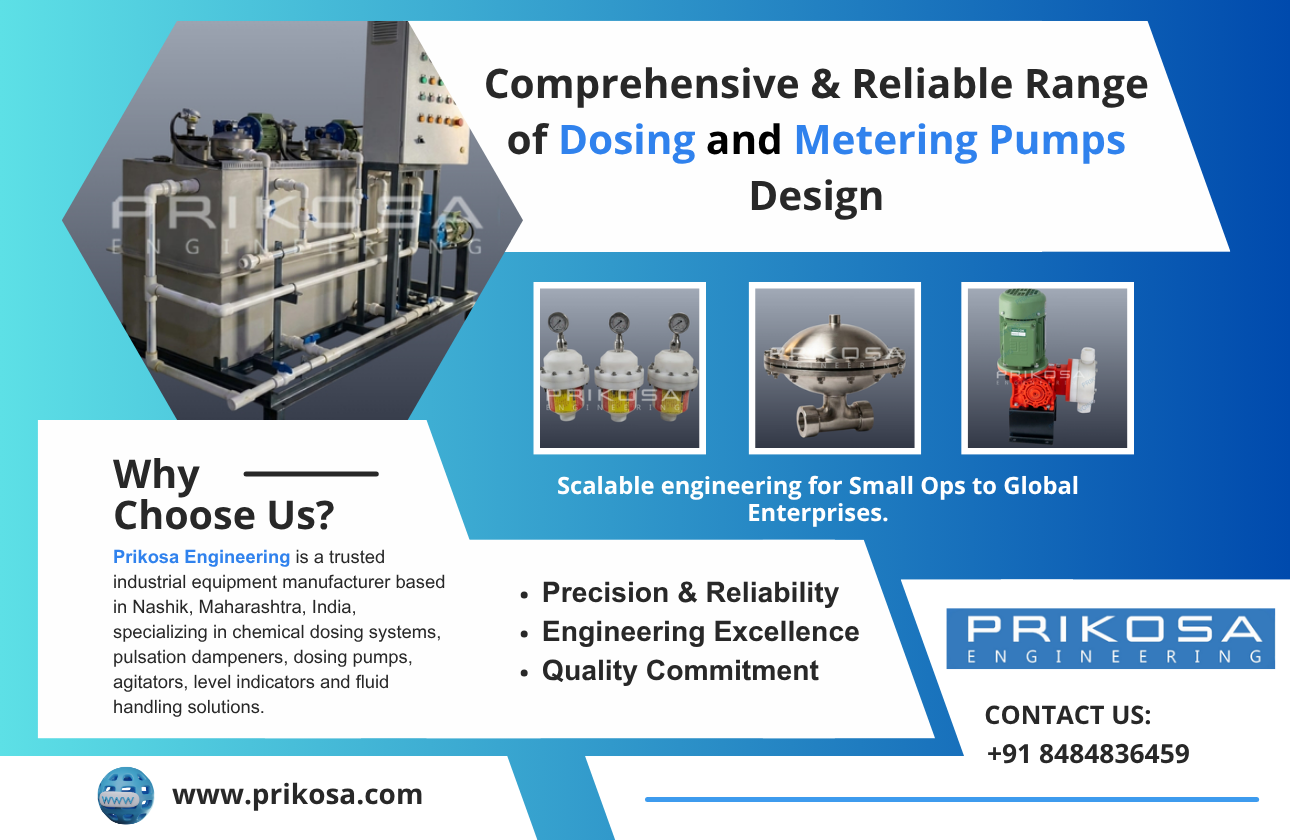
Introduction to Dosing Systems
Dosing systems are integral in many industrial processes. They are responsible for injecting a precise amount of chemical into a medium, ensuring smooth operations. Such precision is crucial in industries like pharmaceuticals, wastewater treatment, and oil and gas. The two types commonly discussed are HP (High-Pressure) and LP (Low-Pressure) dosing systems. Let's explore these systems to understand their mechanisms, benefits, and applications.
What is an HP Dosing System?
An HP, or High-Pressure dosing system, is a robust apparatus designed to handle liquids at high pressures. These systems are prevalent in industries where high pressure is required to push chemicals through various processes or products. An HP dosing system ensures that the chemical gets injected with the right force, necessary for complex manufacturing tasks, especially in the oil and gas industry. Because these systems can handle the stresses of high pressures, they prevent leakage and ensure accuracy. A critical component of this system is the pulsation dampener. It minimizes pulsations that are otherwise common in high-pressure pump operations, ensuring a smooth and continuous flow of chemicals. This precaution not only protects the machinery but also enhances accuracy, making sure each drop of chemical is administered precisely as needed.
The Importance of HP Dosing Systems
HP dosing systems play a vital role in maintaining the efficiency of industrial processes that demand high pressure. By managing the force at which chemicals are introduced into systems, they ensure the desired chemical reaction or treatment happens effectively. In the pharmaceutical sector, HP dosing systems are crucial in the production of drugs where accurate dosing can impact the efficacy of the product. Similarly, the oil and gas industry utilizes these systems to improve the extraction process, enhancing the quality and yield of the resources secured. The function of HP dosing systems is pivotal, as an incorrect injection pressure can lead to defective products or compromised safety. Therefore, choosing and maintaining the right HP dosing system can be the difference between smooth operations and costly downtime.
Technical Aspects of HP Dosing Systems
The technology behind HP dosing systems is sophisticated, involving various components working in harmony to deliver precise chemical doses. One such component is the calibration column that helps monitor and fine-tune the dosing system. This monitoring ensures that dosing remains within the desired parameters, preventing overdoses or shortfalls. Additionally, HP systems often require special materials for construction, capable of withstanding high-pressure environments. This durability ensures longevity and stability, maintaining a steady output over an extended period. Integrating cutting-edge technology like digital control panels allows for intuitive operation and seamless monitoring, enhancing the operator's ability to manage the system efficiently. Such advancements are significant as industries lean heavily on technology for improvements in safety and productivity.
What is an LP Dosing System?
LP, or Low-Pressure dosing systems, are designed for situations where chemical injection does not require high pressure. These systems are generally used in less demanding environments compared to their high-pressure counterparts. An LP dosing system is often found in industries like wastewater treatment, where they inject chemicals to treat water at lower pressures. Even though they operate under lower pressure, the accuracy of an LP dosing pump is crucial to the process. It ensures the correct amounts are always delivered, avoiding any unnecessary waste of chemicals and helping avoid potential ecological impacts.
Importance and Applications of LP Dosing Systems
In applications where high pressure is not needed, LP dosing systems offer several advantages. They are usually more energy-efficient, leading to reduced operational costs. In settings like municipal water treatment plants, LP dosing systems are critical for maintaining ecological balance, ensuring that water sources are uncontaminated as they move through the system. This sustainability plays a huge role in environmental conservation efforts. Furthermore, LP systems typically have fewer maintenance requirements and costs while still meeting industrial standards for chemical dosing. With their simpler design, they are easier to install and operate, making them a common choice for processes that do not demand high-pressure dosing.
Choosing Between HP and LP Dosing Systems
When deciding between an HP or LP dosing system, several factors come into play. The first question is the pressure requirement of your application. If your process involves high pressure, investing in an HP system is crucial for performance and compatibility. However, if your process can be safely managed at lower pressures, an LP system may offer a more cost-efficient alternative. Other considerations include the chemical medium being used, the desired accuracy of dosing, and the typical maintenance needs. It is also essential to think about the environmental impact and efficiency of energy consumption of your chosen system. Ultimately, selecting the right dosing system hinges on understanding the specific needs of your operation and how the dosing systems are utilized to meet these needs.
Maintenance Tips for HP and LP Dosing Systems
Proper maintenance of both HP and LP dosing systems is crucial to ensure their effective functioning. Regular checks for leakages, calibrating the dosing levels, and ensuring the integrity of components like the pump and valves are necessary. Employing smart technologies can help in maintaining these systems by offering predictive insights and automated alerts that hint at potential malfunctions or the need for maintenance. Properly trained personnel can identify early signs of wear and address issues before they result in costly downtimes.
The Role of Technology in Dosing Systems
Technology is shaping the way dosing systems operate, from smart systems that predict maintenance to IoT-enabled devices that track performance metrics in real-time. The digital transformation of these systems is leading to increased efficiency and accuracy. Incorporating sensors and wireless communication, data from dosing systems can now be accessed remotely, allowing operators to make informed decisions quickly. This technological progress is not only making operations seamless but also empowering industries to strive towards goals of efficiency and sustainability.
Frequently Asked Questions
1. What are HP dosing systems used for?
Answer: HP dosing systems are predominantly used in industries requiring high-pressure chemical delivery, such as pharmaceuticals and oil and gas. They ensure precise dosing even under rigorous conditions, which is essential for maintaining process integrity and operational safety.
2. How does an LP dosing system benefit wastewater treatment?
Answer: LP dosing systems are used in wastewater treatment to precisely add chemicals necessary for purifying water. Operating at low pressure, they are cost-effective and help maintain environmental standards without consuming excessive energy.
3. Are HP dosing systems more complex than LP dosing systems?
Answer: Yes, HP dosing systems are generally more complex due to their need to handle high pressures. This complexity involves robust construction materials, advanced monitoring, and control systems, making them more challenging to maintain compared to LP dosing systems.
4. Why is regular maintenance important for dosing systems?
Answer: Regular maintenance ensures the longevity and accuracy of dosing systems. It prevents malfunctions, leaks and ensures that the system performs optimally, which is crucial for both HP and LP dosing systems to function correctly and safely.
5. How is technology advancing the use of dosing systems?
Answer: Technology is enhancing dosing systems by integrating smart features that allow for remote monitoring, predictive maintenance, and real-time data analysis. This advancement not only improves the efficiency of the dosing systems but also aids in reducing downtime and operational costs.