
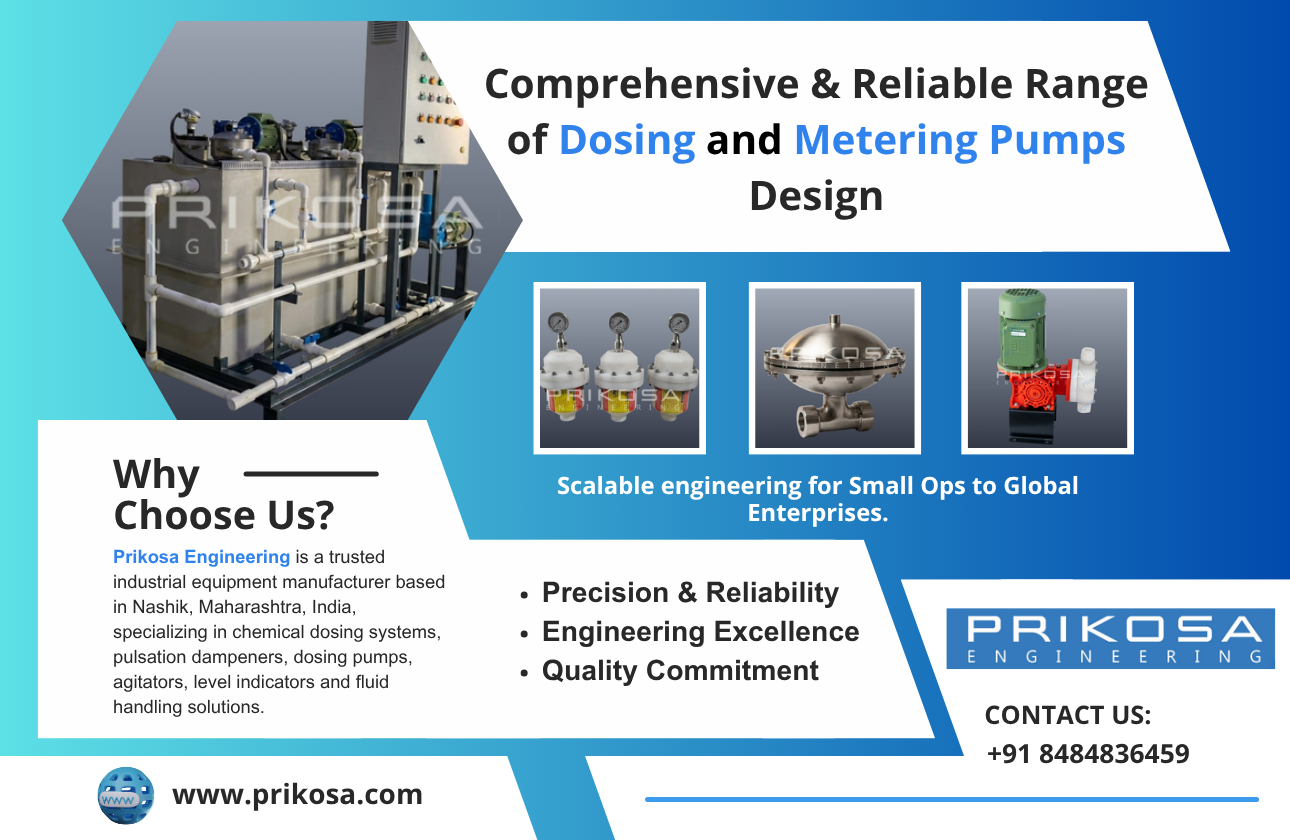
The Basics of Flocculant Dosing Systems
Flocculant dosing systems are crucial for water treatment processes. These systems carefully introduce chemicals, known as flocculants, into water to facilitate the removal of impurities. Flocculants work by aggregating particles that are too small to settle on their own in the water. The particles then form larger clumps, or flocs, which can be easily separated from the water. Many industries, from municipal water suppliers to food processing plants, rely on these systems to ensure their water is clean and safe. Understanding the basic functioning of flocculant dosing systems can provide insight into their importance not just in industrial settings but also in maintaining safe water supplies globally.
Key Components of Flocculant Dosing Systems
The core components of flocculant dosing systems include storage tanks, dosing pumps, and control mechanisms. The storage tanks hold the flocculant in either solid or liquid form until it's needed. Dosing pumps are essential for delivering precise amounts of flocculants to the water. Control mechanisms, often automated, regulate the flow rate and timing of flocculant delivery, ensuring efficiency and safety. These components work together to maintain an ideal balance that prevents over or under-dosing, crucial for achieving the best water quality outcomes. A balance in dosage helps avoid wastage of chemicals and ensures compliance with environmental standards.
Advantages of Flocculant Dosing Systems
Flocculant dosing systems offer several advantages. They enable efficient removal of suspended solids and colloids from water, enhancing clarity and quality. This purification process is vital in many sectors, as it allows facilities to meet and even exceed regulatory standards for water discharge. Additionally, these systems help reduce the costs associated with water treatment by optimizing chemical use and minimizing waste. Another advantage is the flexibility of these systems to treat different types of water, from freshwater to wastewater, adapting to variable qualities and compositions. For businesses, this flexibility means a more sustainable and efficient way to handle water needs.
Challenges Faced by Traditional Dosing Systems
Despite their benefits, traditional flocculant dosing systems are not without challenges. One significant issue is the manual monitoring and adjustment required to maintain optimal operation. Human error can lead to inconsistent dosing levels, causing either a deficiency that fails to treat water adequately or an excess that waste chemicals and potentially harms the environment. Another challenge is the maintenance of the equipment, which can be costly and time-consuming. Moreover, as these systems age, their efficiency often decreases, leading to higher operational costs. For industries looking to maintain a competitive edge, these challenges can pose significant hurdles, prompting many to explore modern alternatives.
Introduction to Automatic Flocculant Dosing Systems
Automatic flocculant dosing systems represent a significant advancement in water treatment technology. These systems automate the dosing process, minimizing the risk of human error and ensuring precise and consistent chemical delivery. Automation integrates technologies such as sensors and predetermined algorithms to monitor water quality in real-time, adjusting the flocculant dosage as needed. This adaptability allows a more efficient and effective operation, resulting in better water quality outcomes and reduced chemical usage. Additionally, the automation of mundane tasks allows personnel to focus on more strategic activities, improving overall operational efficiency.
Benefits of Automatic Flocculant Dosing Systems
There are numerous benefits associated with using automatic flocculant dosing systems. First, they offer improved precision, leading to consistent water quality and regulatory compliance. They also contribute to significant cost savings by reducing chemical wastage and maintenance requirements. Automation enhances operational safety by minimizing the risk of accidental spills or exposure to harmful chemicals, thereby protecting staff and the environment. Furthermore, these systems typically require less manual intervention, decreasing labor costs and increasing productivity. As industries increasingly prioritize sustainability, the efficiency gains from automating dosing processes are becoming a key competitive advantage.
Challenges with Implementing Automatic Systems
While automatic flocculant dosing systems offer many benefits, implementing them is not without challenges. Initial installation costs can be high, especially when retrofitting existing systems. There is also a need for training qualified personnel to manage and maintain these advanced technologies. Additionally, the complexity of an automatic system might pose integration challenges with existing operations. Despite these hurdles, the long-term savings on operational costs and the increased precision make automatic systems a worthwhile investment for many industries looking to upgrade their water treatment capabilities.
Ensuring System Efficiency and Integration
Ensuring that your flocculant dosing system operates efficiently is crucial. Regular maintenance and constantly updated software are essential in keeping the system running smoothly. Coordination with other system components, such as chemical dosing skids, ensures that the entire water treatment process is optimized. Investing in high-quality components and training programs for staff can reduce long-term inefficiencies. Ultimately, seamless integration of a flocculant dosing system into existing operations determines its overall impact and effectiveness in meeting water quality objectives.
Future of Flocculant Dosing Systems
The future of flocculant dosing systems looks bright with ongoing advancements in technology. Innovations such as smart dosing systems and the integration of IoT (Internet of Things) technology into water treatment processes promise even greater precision and efficiency. These enhancements aim to further automate and simplify the dosing process, offering improved environmental protection and operational savings. Investment in research and development is likely to drive the introduction of more advanced systems that further enhance the quality of water treatment. As the world continues to prioritize clean and safe water, cutting-edge flocculant dosing systems will play a pivotal role in shaping the industry's landscape.
Frequently Asked Questions
1. What is a Flocculant Dosing System?
Answer: A flocculant dosing system is a setup designed to introduce flocculants into water or wastewater. Flocculants help in binding small particles together to form larger clusters, which can be easily separated from the water. These systems are commonly used in water treatment processes to improve the cleanliness and quality of water.
2. How does an Automatic Flocculant Dosing System work?
Answer: Automatic flocculant dosing systems automate the addition of flocculants into water. They utilize sensors and control systems to monitor water quality and adjust the chemical dosage accordingly. This creates a more efficient and accurate dosing process, reducing the chance of human error.
3. Why is an Automatic Flocculant Dosing System considered better?
Answer: Automatic systems are considered superior due to their precision and efficiency. They ensure exact chemical amounts are used, reducing waste and optimizing water quality. Additionally, they require less human oversight, minimizing labor costs and enhancing safety by preventing direct exposure to chemicals.
4. Are there any challenges with using a Flocculant Dosing System?
Answer: While beneficial, these systems come with challenges such as the need for regular maintenance and potential initial setup costs. Automatic systems may also require technical expertise for operation and integration with existing infrastructure.
5. What is the importance of Flocculant Dosing Systems in industries?
Answer: Flocculant dosing systems are vital in industries because they ensure water meets quality standards. By removing impurities effectively, they support environmental compliance, improve operational efficiency, and contribute to sustainable practices, essential in sectors such as manufacturing, mining, and municipal water supply.