
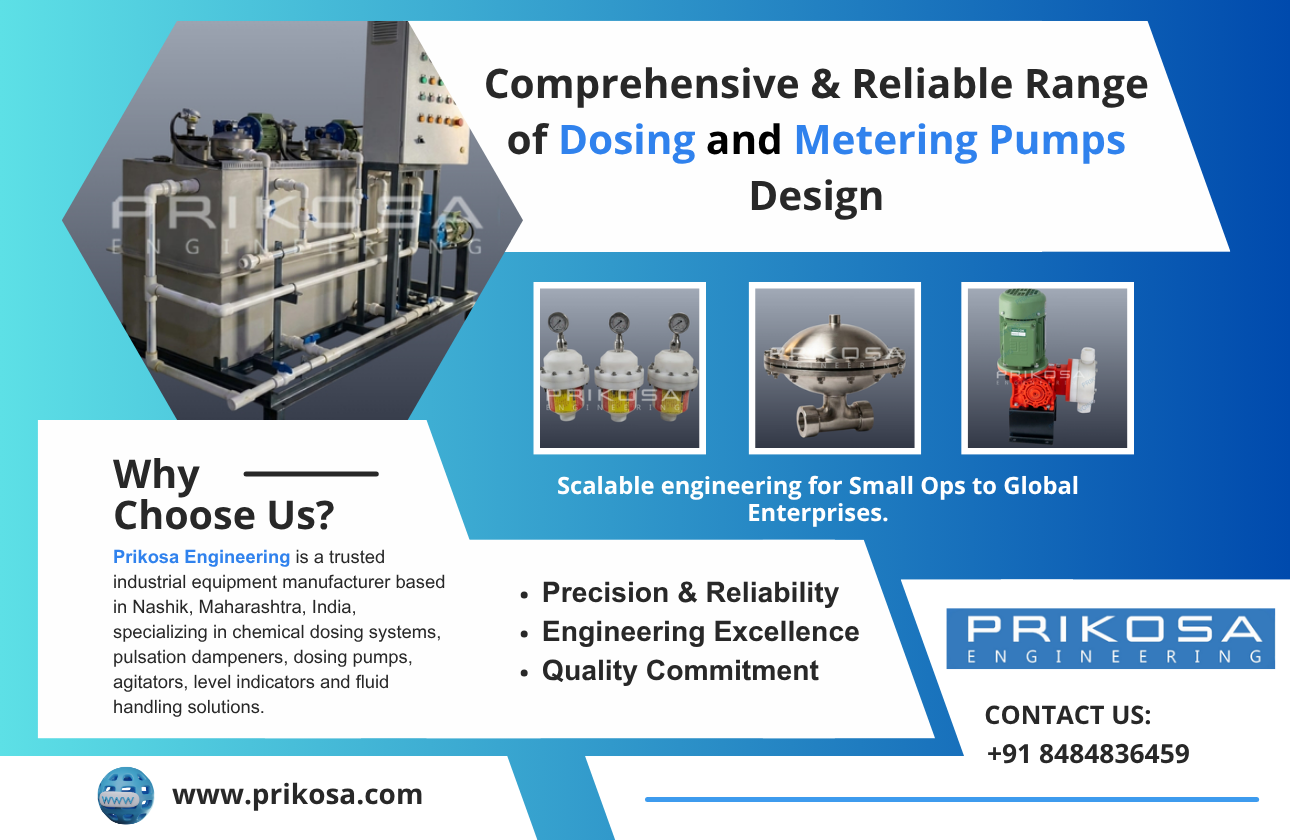
Introduction to Calibration Pots
Calibration pots are essential components in many industrial processes, helping to ensure accuracy in chemical dosing systems. Understanding what these pots are and how they function can make a significant difference in maintaining system efficiency. In simple terms, a calibration pot is a device used to measure the flow of chemicals being dosed into a system. It acts as a secondary confirmation of the flow rate, complementing primary measuring devices. These pots are crucial for improving the accuracy of dosing operations and ensuring that chemicals are used effectively. Frequently found in water treatment plants, these pots are integral to calibrating chemical feed pumps. This manual measuring tool allows operators to verify the flow of chemicals and make adjustments as necessary for optimal performance.
The Role of Calibration Pots in Industry
The industrial sector relies heavily on processes that involve the mixing, metering, and calibration of chemicals. Calibration pots play a pivotal role by acting as a guide for these processes, ensuring precision and effectiveness. In industries like chemical production and water treatment, proper chemical dosing enhances safety and efficiency. Calibration pots are integral in verifying the flow rate of dosing systems and ensuring that the right amount of chemical is delivered. This practice is prevalent in facilities such as wastewater treatment plants, where the precise amount of chemical additives is crucial to the system's overall function. They help eliminate discrepancies between the calculated chemical dosage and the actual dose delivered, ensuring that operations run smoothly and reduce the risk of errors that could lead to potentially dangerous situations.
Calibration Pots: Key Features and Advantages
Calibration pots come with several notable features that make them a valuable component of any dosing system. Typically made from durable materials that resist chemical corrosion, these pots are designed to last and perform under extreme conditions. They come with features such as transparent tubes for viewing liquid levels, which help operators note any changes or discrepancies swiftly. One key advantage is their ability to improve the accuracy of dosing and measurement. By providing real-time verification of flow rates, calibration pots help in ensuring the dosage is precisely what is intended. They also offer an added layer of safety by preventing overdosing or underdosing. Another significant benefit is their simplicity and ease of use. With minimal instruction, operators can monitor and make adjustments to ensure the dosing process meets set specifications. Their contribution to reducing chemical waste cannot be overstated, leading to cost savings without compromising operational efficiency.
Practical Applications of Calibration Pots
Calibration pots are applied in various industries, demonstrating remarkable versatility. In the realm of water treatment, they assist in regulating the flow of flocculants and coagulants. Accurate dosing is critical in achieving proper water quality, and calibration pots make this easier by verifying pump flow rates. In the chemical industry, they ensure the accurate delivery of additives necessary for production processes. They help prevent excess chemical use, leading to more sustainable and cost-effective operations. Their role extends to industries like oil and gas, where they aid in measuring chemicals used in refining processes. Calibration pots are indispensable in the food and beverage sector, ensuring safe and accurate doses of additives, maintaining compliance with stringent health standards. They can also be found in industries focused on environmental management, where accurate measurement of treatment chemicals is critical.
Setting Up and Using Calibration Pots
Setting up a calibration pot is straightforward, but precision is essential. The pot must be installed correctly in the dosing line, usually upstream of the metering pump. This involves connecting the pot to the system and ensuring that the liquid levels can be easily observed and measured. During cation, it's crucial that the valves are correctly positioned to avoid leaks or incorrect readings. Operators should be trained in reading the measurements accurately to avoid dosing errors. Regular maintenance, such as cleaning and inspection, should be part of routine operations to keep the pots functioning optimally. These tasks will also depend on the type of chemicals being used, as corrosive substances may require more frequent checks. By ensuring that the calibration pot is used correctly, operators can significantly enhance the accuracy and efficiency of chemical dosing systems.
Choosing the Right Calibration Pot for Your Needs
Selecting the appropriate calibration pot involves understanding the specific needs of your operation. First, consider the chemical compatibility. Ensure that the material of the pot can withstand the chemical substances it will be used with. Dimensions are also critical; the pot should be large enough to accommodate your dosing volume but still offer precise readings. Another factor to consider is the installation environment. Some environments may require pots with additional protective features such as covers or shields to withstand external conditions. Reliability is key, so looking into products with robust performance records can help avoid future issues. Collaborating with reputable suppliers and manufacturers can also aid in selecting the most suitable calibration pot, providing professional guidance and reliable product support. Adequate research and consideration of these factors will ensure the selection of the ideal calibration pots, leading to efficient and accurate operations.
Maintenance and Care for Calibration Pots
Proper maintenance of calibration pots not just ensures their longevity but also their reliability. Regular inspections should be conducted to check for wear and tear, potential leaks, and functionality issues. Cleaning the calibration pots periodically is vital, especially if they contain corrosive chemicals. The main components, such as valves and seals, should be examined to ensure they remain intact and functional. Any signs of degradation can lead to inaccurate measurements, affecting the entire dosing system. It's also important to keep a record of maintenance activities and any replacements made, which helps in managing the longevity and efficiency of the equipment. By incorporating routine checks and maintenance into the operational practices, facilities can maximize the efficiency and accuracy of their dosing processes.
Calibration Pots and Safety Standards
Meeting safety standards is paramount in any industrial setting, and using calibration pots helps ensure compliance. Adherence to safety regulations not only helps avoid legal issues but also maintains the integrity and safety of operations. Calibration pots help in maintaining precise chemical dosages, which is vital for health, safety, and environmental standards. They assist in reducing the risk of exposure to harmful chemicals, keeping both workers and the environment safe. Regularly updated and well-maintained calibration pots support compliance with safety guidelines set by industry authorities. They enable accurate record-keeping of chemical usage, essential for audits and evaluations. By prioritizing safety in the use of calibration pots, industries can achieve efficient operations while minimizing risks to health and safety.
Frequently Asked Questions
1. What are calibration pots used for?
Answer: Calibration pots are primarily used to measure and verify the flow rate of chemicals in dosing systems, ensuring accurate and efficient dosing processes in various industries such as water treatment and chemical manufacturing.
2. How do calibration pots improve dosing accuracy?
Answer: They provide a real-time measurement of the chemical flow rate, allowing for precise adjustments to be made, ensuring that the exact amount of chemical is dosed as intended, thus enhancing the overall accuracy of the dosing system.
3. What materials are calibration pots typically made from?
Answer: Calibration pots are generally made from materials that are resistant to chemical corrosion, such as high-grade plastics or stainless steel, depending on the chemicals they will come into contact with.
4. How often should calibration pots be maintained?
Answer: Maintenance frequency depends on the chemicals used and the environmental conditions. Regularly inspect for wear and clean the pots periodically to ensure they provide accurate readings and remain reliable.
5. Why are calibration pots important for safety?
Answer: Calibration pots help ensure the precise dosing of chemicals, reducing the risk of over or under-dosing, which is vital for maintaining safety standards and preventing hazardous situations in industrial operations.