
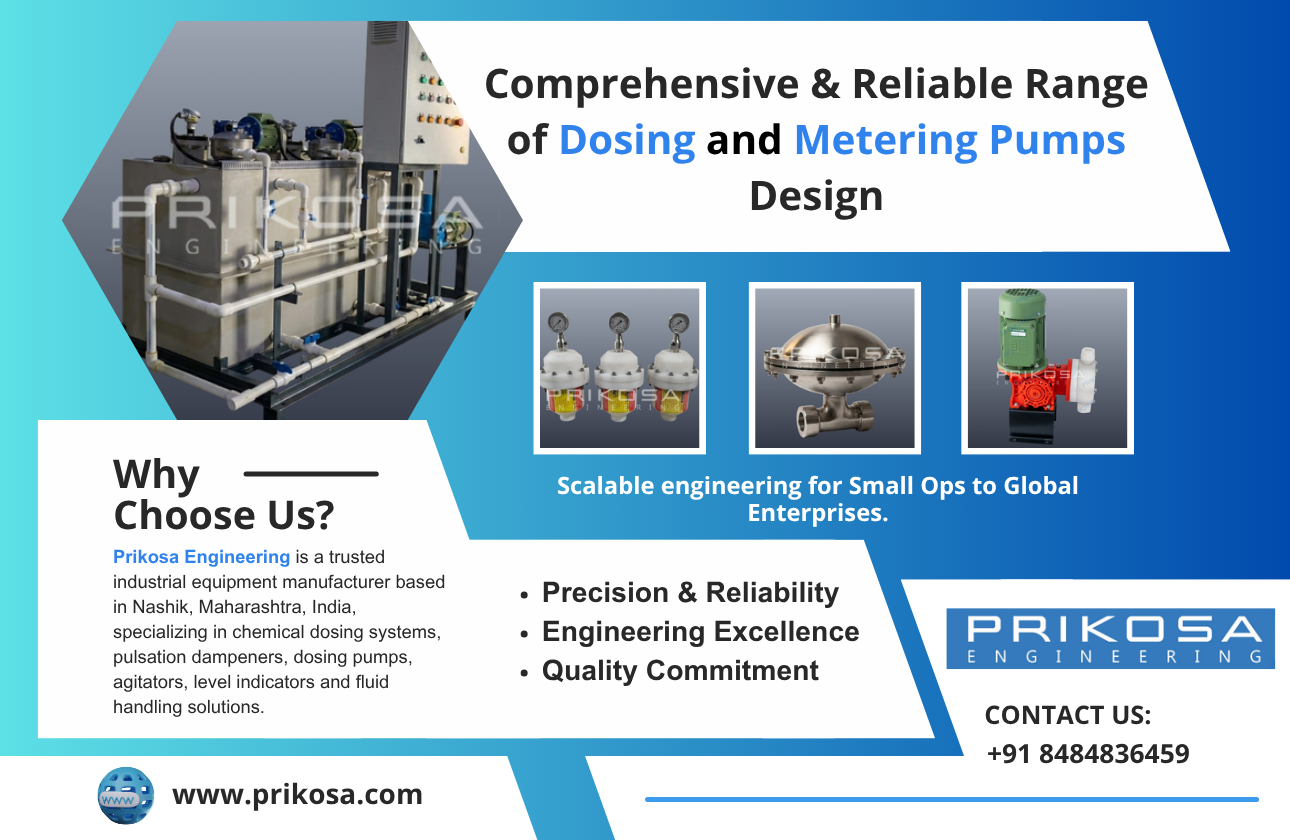
Introduction to Sodium Flocculant Dosing Pumps
Sodium flocculant dosing pumps play a crucial role in the water treatment industry. These pumps help in the precise addition of chemicals, which is vital for processes like flocculation. Flocculation is the process of clumping together small particles, making them easier to remove from water. This is particularly important in wastewater treatment, where clean and safe water is the end goal. But why are these pumps essential? Well, controlling the dosage of flocculant chemicals is critical to ensure the effectiveness of water treatment while minimizing waste and cost. Without accurate dosing, the flocculants might either be underutilized, leading to ineffective water treatment, or overused, resulting in wastefulness and increased expenses.
Sodium Flocculant Dosing Pump
The primary keyword here, sodium flocculant dosing pump, refers to a device that manages the addition of sodium-based flocculants to a liquid solution. These pumps are engineered to provide precise dosing, making them essential in diverse applications where accuracy is key. The Sodium flocculant dosing pump is adept at handling various demands, such as changes in water pH and flow rate, ensuring that the right amount of chemical is added to achieve the desired results.
Benefits of Using Sodium Flocculant Dosing Pumps
There are several advantages to using sodium flocculant dosing pumps. One key benefit is their ability to significantly reduce the amount of chemical waste. Accurate dosing ensures that chemicals are not overused, which is both environmentally friendly and cost-effective. Moreover, these pumps are designed for consistency, so you can expect reliable performance regardless of variable flow rates or compositions of the water being treated. This consistency is crucial for industries looking to meet strict environmental regulations. Furthermore, utilizing a Sodium flocculant dosing pump can enhance the overall efficiency of the water treatment process, allowing facilities to treat greater volumes of water without the need for frequent intervention.
Applications in Wastewater Treatment
Sodium flocculant dosing pumps are extensively used in wastewater treatment plants around the globe. In these settings, they play a pivotal role in clarifying water by removing impurities. Typically, the pump will add a calculated amount of chemical to the water stream, causing the suspended particles to clump together and settle out of the solution. This process helps in producing clearer water that meets safety standards for discharge or reuse. The efficiency of these pumps means treatment can occur swiftly and with minimal waste, which is vital for facilities managing large volumes of wastewater.
The Role in Industrial Processes
Beyond standard water and wastewater treatment, sodium flocculant dosing pumps are indispensable in various industrial sectors. For instance, in the food and beverage industry, these pumps ensure that liquids are free from impurities, adhering to strict quality control standards. In the paper manufacturing sector, sodium flocculant dosing pumps are essential in treating the water used in production, helping to eliminate unnecessary particles that could affect the quality of the finished product. By optimizing the use of flocculants, these pumps contribute to sustainable manufacturing processes. They not only improve water quality but also help industries maintain productivity and environmental compliance.
Operational Mechanisms of Sodium Flocculant Dosing Pumps
So, how does a sodium flocculant dosing pump actually work? These pumps are designed for precision and efficiency. They operate by delivering a continuous, steady stream of the flocculant chemical into the water or wastewater stream. The pump’s mechanism is such that it can adjust the flow rate based on the requirements of the process, ensuring that only the necessary amount of chemical is used. Often, these pumps are equipped with monitoring systems that allow operators to keep an eye on variables like flow rate and solution concentration, ensuring optimal performance at all times. It’s this level of control that makes these pumps so valuable in both large and small-scale operations.
Choosing the Right Sodium Flocculant Dosing Pump
Choosing the right sodium flocculant dosing pump can be a critical decision. It requires a consideration of factors such as the volume of water being treated, the specific characteristics of the water, and the precise requirements of the treatment process. Various models are available, each designed to meet different operational needs. For instance, some pumps are equipped to handle corrosive environments, while others might focus on energy efficiency or ease of maintenance. The key is to find a pump that aligns with the specific demands of your operation while maximizing efficiency and cost-effectiveness.
Maintenance and Troubleshooting
Like any piece of equipment, sodium flocculant dosing pumps require regular maintenance to ensure longevity and effectiveness. This includes routine cleaning, inspection of parts such as valves and seals, and calibration to ensure accurate dosing. Learning to troubleshoot common issues, such as leaks or inconsistent dosing, can also help prevent minor problems from becoming major headaches. Many pump manufacturers offer maintenance services or can provide training to help facility operators keep their pumps in top condition, thereby prolonging their life and enhancing performance.
Future Trends in Sodium Flocculant Dosing Pump Technology
The future of sodium flocculant dosing pump technology is bright. With advancements in automation and smart technology, these pumps are becoming more connected and efficient. Modern pumps often include features such as remote monitoring and control, allowing operators to manage their systems from afar. Furthermore, as environmental regulations become stricter, these pumps will play an even more critical role in helping industries adhere to eco-friendly practices. The use of digital twins and predictive maintenance is also on the rise, contributing to proactive operational strategies and further optimizing the water treatment processes.
Conclusion
Sodium flocculant dosing pumps are an integral part of water and wastewater treatment processes, as well as many industrial applications. By ensuring the precise and effective use of chemicals, they help maintain high standards of water purity and environmental compliance. As technology continues to evolve, these pumps are likely to become even more efficient and easy to use. Choosing the right pump for your specific needs and maintaining it properly will ensure that you harness the full benefits of this crucial technology.
Frequently Asked Questions
1. What is the main function of a sodium flocculant dosing pump?
Answer: The primary function of a sodium flocculant dosing pump is to accurately introduce sodium-based flocculants into water or wastewater, which helps in removing impurities through flocculation. This ensures the treated water meets safety and quality standards.
2. How do sodium flocculant dosing pumps benefit wastewater treatment plants?
Answer: These pumps ensure precise dosing, which minimizes chemical waste and costs, while enhancing the clarity and safety of treated wastewater. They ensure compliance with environmental standards and streamline the treatment process for large volumes of water.
3. Are there industries beyond wastewater treatment that use sodium flocculant dosing pumps?
Answer: Yes, industries such as food and beverage, and paper manufacturing use these pumps to maintain the quality and safety of their products by ensuring the removal of impurities from their processing water.
4. What are some maintenance tips for sodium flocculant dosing pumps?
Answer: Regular maintenance includes cleaning, inspecting parts like valves and seals, and calibrating the pumps for accurate dosing. Keeping a maintenance schedule can prevent major issues and prolong the pump’s lifespan.
5. What future technologies are influencing sodium flocculant dosing pump development?
Answer: Advancements like automation, smart technology, remote monitoring, and predictive maintenance are key trends. These technologies are making pumps more efficient, reducing environmental impact, and allowing for better operational control.