
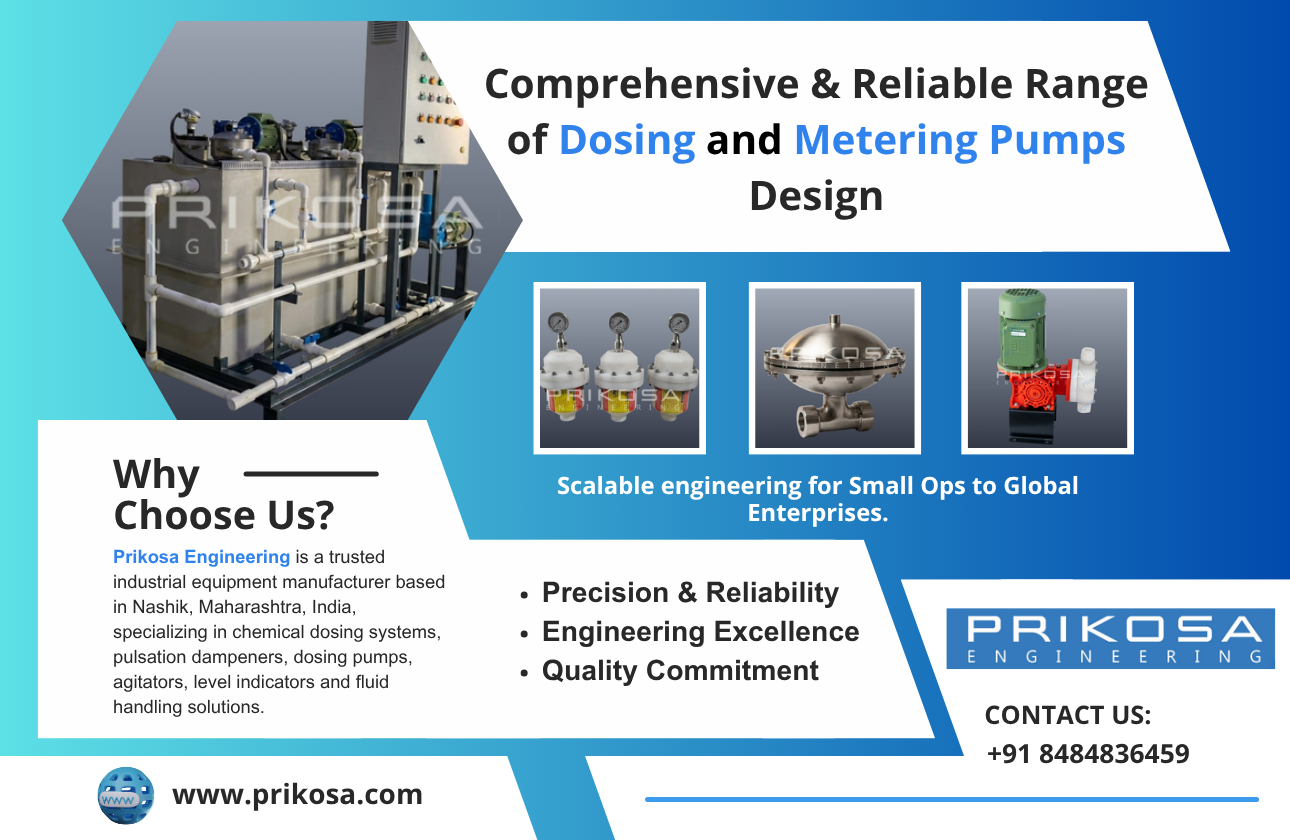
Introduction to Automatic Floc Dosing Units
In the world of water treatment, keeping things simple and efficient is crucial. That's where Automatic Floc Dosing Units come into play. These units are an integral component used in a wide variety of water treatment processes. They ensure the right amount of chemicals, specifically flocculants, are added to the water to help separate impurities effectively. The result is cleaner, clearer water ready for use or safe discharge.
What is an Automatic Floc Dosing Unit?
At its core, an automatic floc dosing unit is designed to precisely measure and inject flocculant chemicals into the water or wastewater systems. Flocculants are substances that help tiny particles clump together, making it easier to remove them from the water. Automatic dosing units are equipped with sensors that monitor the water parameters in real time, adjusting the chemical dosage as needed. This ensures optimal water quality, reduces chemical wastage, and minimizes human intervention. Comprehensive guides like this one provide further insights into their workings.
The Importance of Automatic Floc Dosing Units in Water Treatment
Water treatment is essential for both industrial and domestic uses, and automatic floc dosing units play a critical role in this process. These units enable efficient and effective treatment by ensuring the right amount of flocculant reaching the water. By using a precise dosing mechanism, these units help in achieving high clarity and purity levels in the treated water. This is especially important in areas like municipal water supplies, wastewater management, and industrial processes where water quality is paramount.
How Do Automatic Floc Dosing Units Work?
The working principle of these units centers around automation and precision. They are equipped with smart sensors and controllers that continuously monitor water quality. Based on these readings, the unit adjusts the amount of flocculant being added. This automatic behavior eliminates human error and adapts to variations in water composition and flow rate. For example, the detailed mechanism of these units ensures they deliver the right amount of chemical needed, every time.
Automatic Floc Dosing Unit Benefits
Using automatic floc dosing units brings several benefits. First, they enhance operational efficiency by reducing the amount of manual intervention required. Second, they help save costs by optimizing chemical usage, thus minimizing waste. Lastly, their precise dosing capability improves the overall quality of water treatment, resulting in less downtime and maintenance. Understanding these advantages can be vital for operations.
Applications of Automatic Floc Dosing Units
Automatic floc dosing units find their use across a broad spectrum of applications. From sewage treatment plants to potable water processing facilities, these units ensure the necessary level of treatment is met efficiently. In particular, industrial sectors benefit significantly due to the large volumes of water processed. In municipal systems, they play a role in maintaining safe drinking water standards.
Choosing the Right Automatic Floc Dosing Unit
When deciding on the right unit to use, several factors come into play. These include the scale of treatment, specific water quality requirements, and budget constraints. It’s essential to assess the technical features of different units, such as sensor accuracy, adjustability, and compatibility with existing systems. For water treatment facilities looking to switch to automated systems, consulting resources like guidebooks on dosing systems can be instrumental in making informed decisions.
Maintenance of Automatic Floc Dosing Units
While these units are designed with minimal maintenance in mind, regular check-ups are still necessary to ensure they run smoothly. Scheduled maintenance involves checking sensor accuracy, inspecting dosing lines, and verifying controller calibrations. By adhering to a regular maintenance schedule, the longevity and efficiency of the unit are preserved, as explained in various resources on dosing unit upkeep.
Frequently Asked Questions
1. What is a flocculant?
Answer: A flocculant is a chemical that helps in aggregating small particles into larger clusters, making them easier to separate from water. They are crucial in water treatment systems.
2. Why use automatic units instead of manual dosing systems?
Answer: Automatic units are preferred due to their precision and efficiency. They adjust dosing levels based on real-time data, reducing errors that may occur in manual systems.
3. Are these units expensive to maintain?
Answer: Generally, maintenance costs are low as these units are designed for minimal upkeep. Regular inspections, however, are recommended for optimal performance.
4. Can automatic floc dosing units be integrated into existing systems?
Answer: Yes, they are designed to be compatible with most existing water treatment systems. However, consulting with manufacturers for specific compatibility is advisable.
5. How do I choose the right model for my needs?
Answer: It depends on factors like the volume of water to be treated, quality standards required, and budget. Consulting detailed guides and industry experts can aid in making the right choice.