
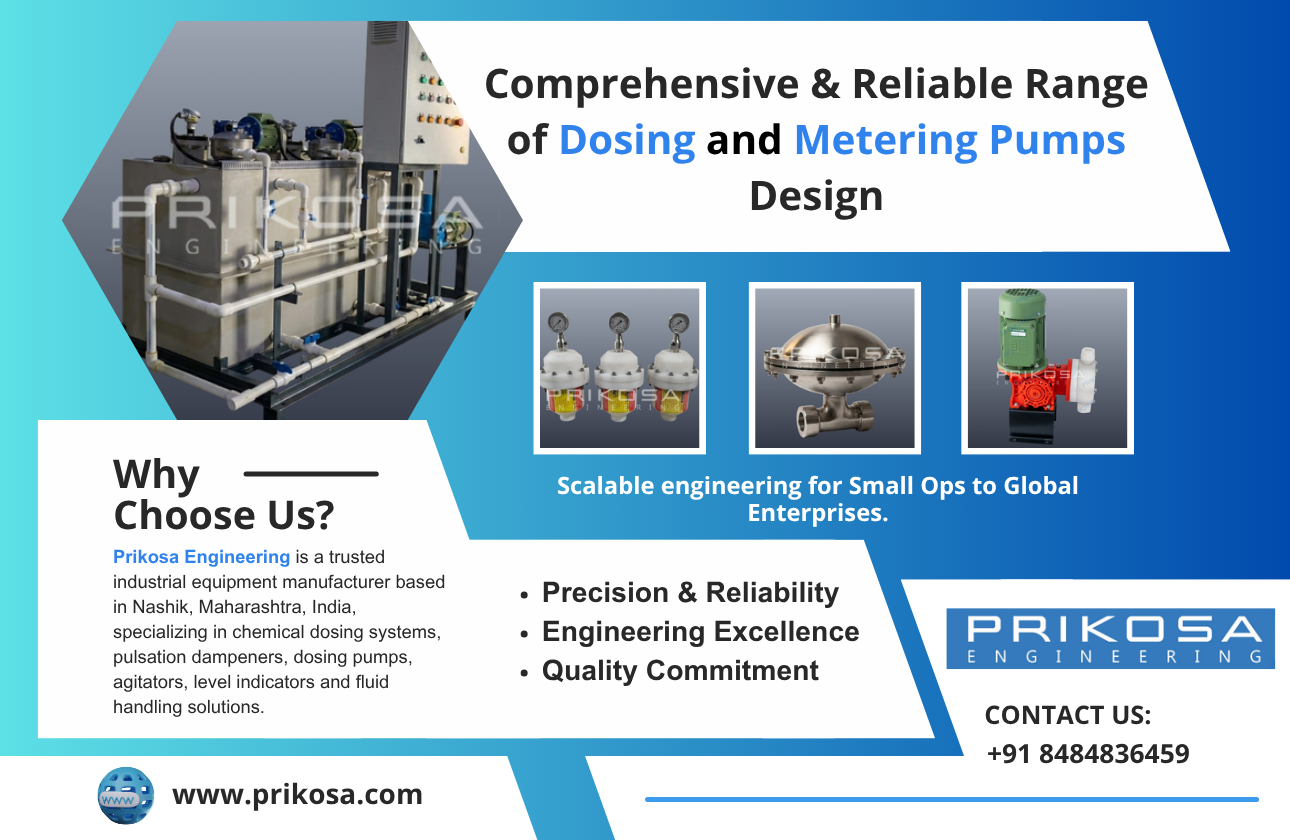
Introducing Volume Bottle Type Pulsation
Volume Bottle Type Pulsation may sound like a mouthful, but it's a pretty important component in industries where liquid is pumped at high pressures. You can think of it like a cushion for the flow of fluid, helping steady the movement to prevent it from pulsing or vibrating too much. Without it, the liquid's movement could cause wear and tear on the equipment, leading to potential failure sooner rather than later. It's especially crucial in systems pumping chemicals or other critical fluids.
How Volume Bottle Type Pulsation Works
Let's break down the workings of the Volume Bottle Type Pulsation. Imagine the pulsations as waves in the fluid line. This bottle-type device acts like a shock absorber. Fluid enters the device cavity, compressing the gas present within. This compression effectively reduces the amplitude of the wave—making the flow more uniform. The result is less stress on the system and increased longevity. Consistent flow ensures that other parts of the system run smoothly, which is a massive win for operation efficiency!
The Benefits of Using Volume Bottle Type Pulsation
The biggest win with Volume Bottle Type Pulsation is the increased life span of the pumping systems. By absorbing these surges, it saves the system from excessive vibrations. This boosts the system’s efficiency and reliability. The smoother operations prevent downtime, ensuring uninterrupted processes. In industries where these pumps are used, like chemicals or wastewater treatment, such efficiency is crucial for safety and economy.
Applications of Volume Bottle Type Pulsation
Industries ranging from petrochemical to food processing use Volume Bottle Type Pulsation. The device plays a big role wherever precise control of the flow is needed. Wastewater treatment plants rely on them to ensure chemical dosing is faultless. Similarly, in the food industry, they help maintain product consistency. This versatility makes them a staple across sectors.
The Role in Chemical Dosing Systems
Chemical dosing systems ensure accurate measurements of additives or treatment chemicals in a process line. Volume Bottle Type Pulsation is like their silent partner, lessening fluctuations and making sure dosing remains precise. Inaccurate dosing can send costs soaring and environmental regulations unmet, spelling trouble for industries trying to stay compliant with regulations.
Volume Bottle Type Pulsation in Detail
Each component, the bottle-type pulsation devices, functions in harmony to regulate pressure surges. The popping up of this mechanism as common practice is owed to its earning trust through its reliability. Devices need periodic maintenance but usually last long, saving on replacement costs. Avoiding heavy jolts to the entire piping network is not only ideal but necessary. Consistent performance means fewer headaches for plant managers trying to juggle operational efficiency and cost management.
Frequently Asked Questions
1. What types of industries benefit most from Volume Bottle Type Pulsation?
Answer: Industries like petrochemical plants, waste treatment facilities, and even food processing factories benefit significantly. It's primarily used wherever steady fluid movement is essential to prevent equipment wear.
2. How often should Volume Bottle Type Pulsation devices be checked for maintenance?
Answer: Typically, they should be inspected during regular maintenance schedules, about every 6 to 12 months, depending on your system's capacity and the fluid's aggressiveness.
3. Can Volume Bottle Type Pulsation enhance safety in plant operations?
Answer: Yes, by smoothing out pulsations, these devices help reduce system vibration, which can prevent leaks or bursts in pipes, enhancing overall safety.
4. Where can I learn more about chemical dosing systems?
Answer: You can find detailed guides on chemical dosing systems, such as those available here.
5. Are Volume Bottle Type Pulsation devices expensive?
Answer: They are generally cost-effective relative to the savings on system maintenance and the prevention of potential costly downtime. The initial cost is offset by their longevity and contribution to system stability.