
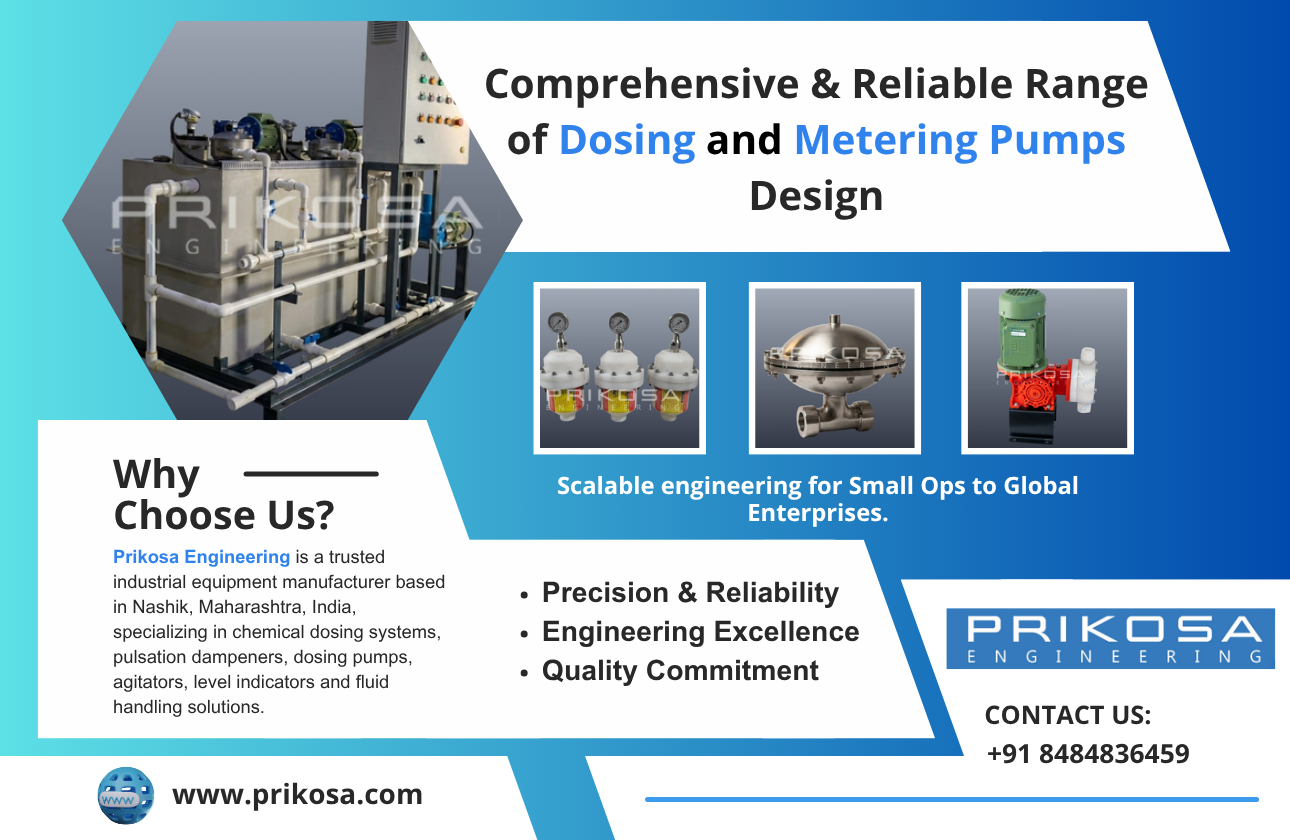
Introduction to Volume Bottle Type Pulsation
Volume bottle type pulsation devices are important components used in various industries to smooth out the pulsating flow from pumps. These devices are critical in processes that cannot bear erratic flow variations, ensuring a stable and consistent delivery of fluids. In this guide, we'll unpack what volume bottle type pulsation is all about and why it holds value in many applications.
How Volume Bottle Type Pulsation Works
The working principle behind volume bottle type pulsation is relatively straightforward. They function as absorption devices that mitigate the pulsation caused by reciprocating pumps. When a pump works, it generates a rapid, uneven flow of fluid, often leading to pressure spikes or drops. The volume bottle type pulsation, installed after such pumps, absorbs these variations in flow and pressure. This ensures a smoother and more even fluid flow, protecting both the system and equipment from potential damage.
Importance in Industrial Applications
Industries ranging from water treatment to chemical processing benefit from using volume bottle type pulsation. They play a crucial role in reducing wear and tear on equipment, preventing pipe vibrations, and maintaining a uniform flow rate. For instance, in water treatment facilities, maintaining consistent flow and pressure is vital to ensure the effectiveness of the treatment process. Likewise, chemical processing industries rely on these devices to prevent the mixture and reactions from being disrupted by flow inconsistencies.
Integration with Other Systems
Volume bottle type pulsation devices are often integrated with other process control instruments. They can be part of larger systems like chemical dosing systems or sodium flocculant dosing pumps. When combined with dosing systems, they enhance the accuracy and reliability of chemical delivery by providing a stable flow, ensuring optimal mixing and reaction times.
Advantages of Using Volume Bottle Type Pulsation
The prominent advantages of these devices include increased system efficiency and lifespan. By curbing pressure fluctuations, they reduce strain on pipelines, connectors, and pumps. This, in turn, minimizes the frequency of maintenance and replacements, leading to cost savings. Moreover, their ability to maintain steady flow rates ensures safety, particularly in sensitive processes like alum dosing in water treatment, where precise chemical reactions are crucial.
The Evolution Over the Years
Over time, volume bottle type pulsation has undergone significant technological advancements. Initially, they were simple chambers, but modern designs offer enhanced capacities, materials, and performance characteristics. Modern pulsation devices are made from diverse materials, increasing their compatibility with different fluids. This evolution ensures that these devices remain effective and relevant in today’s sophisticated industrial environments.
Maintenance and Troubleshooting
While volume bottle type pulsation devices are built to be robust, regular maintenance improves their lifespan. Routine checks should include inspecting for leaks, ensuring seals are intact, and verifying the device's pressure absorption capacity. Identifying and troubleshooting any abnormalities early can prevent operational disruptions and reduce downtime.
Frequently Asked Questions
1. What is the primary function of volume bottle type pulsation?
Answer: The main function is to absorb fluctuations in pressure and flow caused by reciprocating pumps, ensuring smooth and stable fluid flow.
2. How often should these devices be maintained?
Answer: Regular maintenance is advised. Frequency can vary based on usage and industry conditions, but conducting inspections every few months is a good practice.
3. Are they compatible with all types of fluids?
Answer: Most devices are designed to be compatible with a variety of fluids, but it’s essential to check the material compatibility to ensure performance and durability.
4. Can volume bottle type pulsation improve energy efficiency?
Answer: Yes, by minimizing system pressure fluctuations, these devices enhance pump efficiency, potentially reducing energy consumption.
5. Where can I learn more about related systems?
Answer: A detailed blog about chemical dosing skids can provide additional insights into related systems and how they integrate with pulsation devices.