
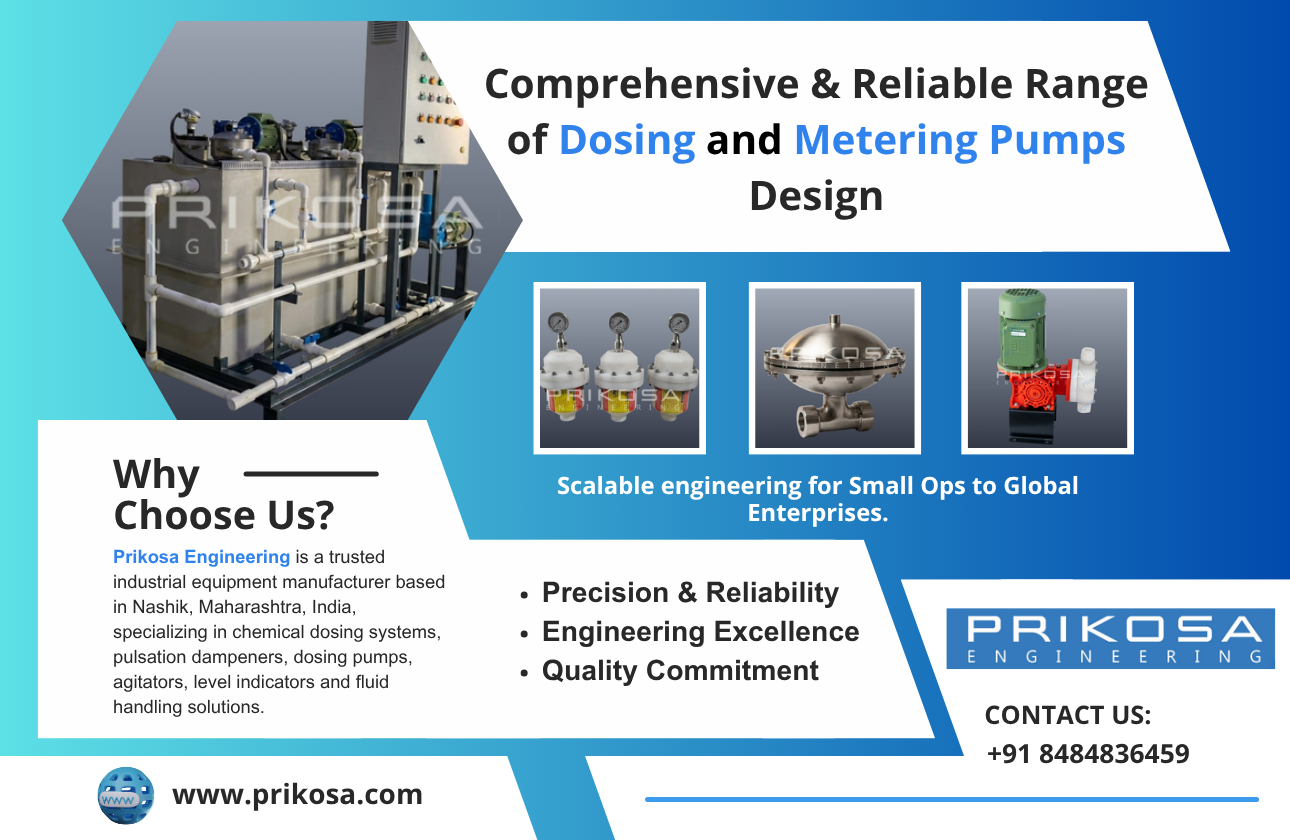
Introduction to Automatic Floc Dosing Units
Automatic floc dosing units are an essential component in many industrial and environmental processes. These systems are designed to add precise amounts of chemicals like flocculants into water systems to treat water more effectively and efficiently. Flocculants are substances that bind with particles in water, making it easier to remove them. This process is vital in water treatment facilities, wastewater management, and even in some industrial processes. By automating the dosing process, facilities can ensure consistent quality and maximize the efficiency of their operations.
Functionality of Automatic Floc Dosing Units
The primary function of an automatic floc dosing unit is to accurately and reliably dispense flocculants into a system at pre-set intervals. These units are equipped with sensors and control systems that monitor the concentration of flocculants and adjust the dosing rate accordingly. This not only saves manpower but also ensures that the water treatment process is not interrupted or compromised. Modern systems include programmable controls that can be adjusted depending on the specific needs of the operation, making them adaptable to a wide variety of scenarios.
Benefits of Using Automatic Systems
One key benefit of using automatic floc dosing systems is consistency. Human error can lead to over or under-dosing, which can cause inefficiencies or even damage to the system. Automatic systems remove this variable by ensuring a consistent dose every time. Additionally, these systems can often communicate with other parts of the plant's control system, providing data that helps in overall process optimization. They also reduce the reliance on manual labor, which can significantly decrease operational costs over time.
Applications in Various Industries
Automatic floc dosing units are not limited to one specific type of industry or application. They are widely used in municipal water treatment plants to ensure clean, safe drinking water. In industrial settings, these units help manage wastewater by settling out contaminants before water is discharged back into the environment. They are also crucial in the production of certain foods and beverages, where maintaining purity and protecting against contamination is key. By employing these systems, industries can comply with environmental regulations more easily.
Selecting the Right System
Choosing the right automatic floc dosing unit depends largely on the specific needs of your operation. Factors to consider include the size of your facility, the type of water being treated, and your budget. Many options are available on the market, ranging from basic models to advanced units with remote monitoring capabilities. Checking for compatibility with your current control system is also advisable to ensure a seamless integration. For further understanding, you can explore more about automatic floc dosing systems.
Maintenance and Upkeep
Like any piece of equipment, automatic floc dosing units require regular maintenance to function at their best. It's crucial to follow the manufacturer's guidelines for servicing and replacing parts. Common maintenance tasks include checking the sensors and cleaning the dosing pumps to prevent clogs. Regular maintenance not only prolongs the life of the equipment but also helps prevent unexpected downtimes and reduce repair costs. For detailed upkeep guidelines, one might consider reading about maintenance tips for dosing units.
Frequently Asked Questions
1. What is an automatic floc dosing unit used for?
Answer: An automatic floc dosing unit is designed for the precise addition of flocculants into a water treatment system to remove particles from the water efficiently and improve the quality of treated water.
2. How does automation benefit the dosing process?
Answer: Automation ensures accuracy and consistency in dosing, reduces human error, and optimizes the overall treatment process while lowering labor costs and improving efficiency.
3. Are these systems suitable for small-scale operations?
Answer: Yes, automatic floc dosing units are available in various sizes and configurations, making them suitable for both small and large-scale operations.
4. What industries use automatic floc dosing units?
Answer: These units are used in municipal water treatment, wastewater management, and industries like food and beverage production where water purity is crucial.
5. How often should maintenance be performed on these units?
Answer: Maintenance frequency varies by usage and model, but regular checks and servicing as per manufacturer guidelines are crucial for optimal operation.