
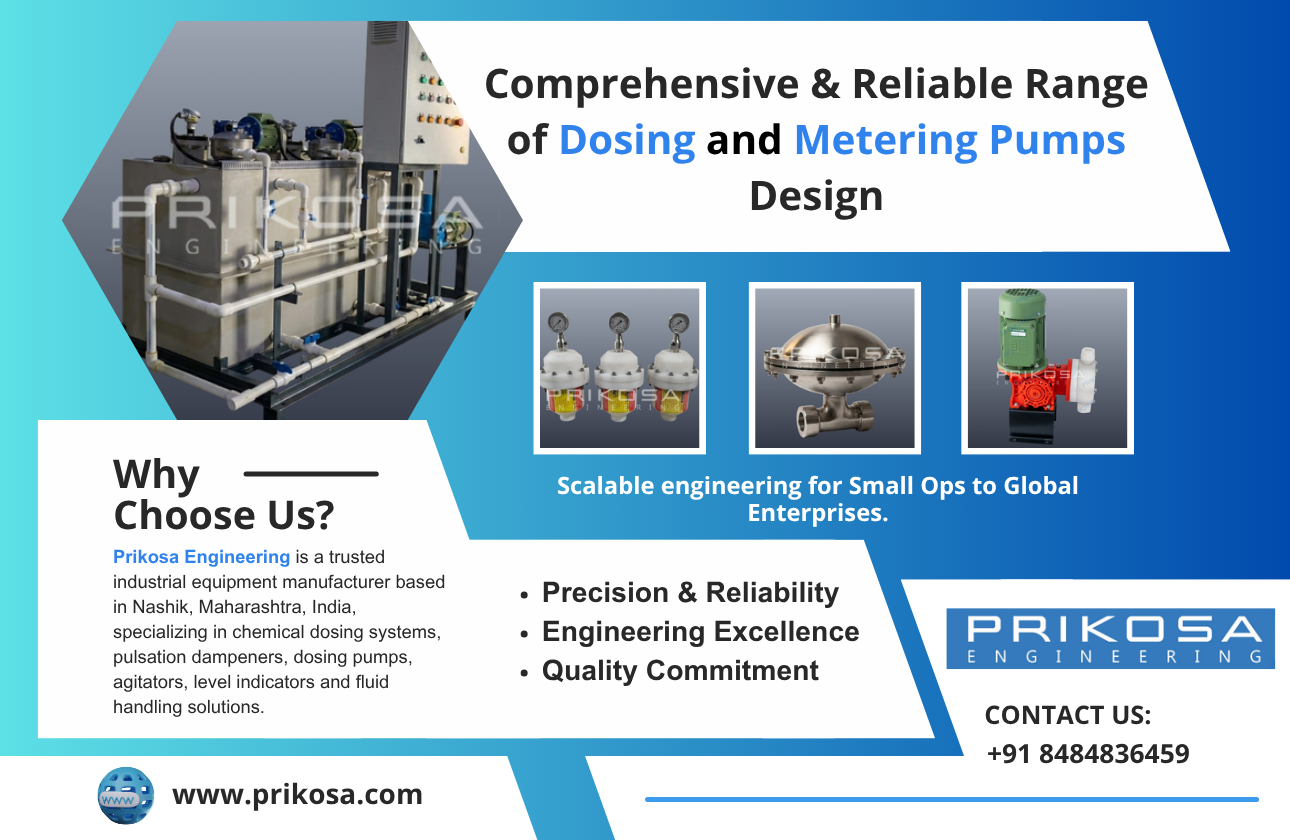
Introduction to Hydraulic Accumulators
Hydraulic accumulators are essential components in fluid power systems. Imagine them as a kind of rechargeable battery in a hydraulic system. They store energy in the form of pressurized fluid, which can be released when needed. This characteristic makes them vital in controlling the flow and pressure within hydraulic systems. Whether you're dealing with mobile equipment or industrial machinery, accumulators play a crucial role in improving efficiency and performance.
Basic Function of a Hydraulic Accumulator
The main job of a hydraulic accumulator is to store and release energy. It accomplishes this by using a compressible gas, often nitrogen, which acts as a spring. This gas is sealed in a chamber, separated from the hydraulic fluid by a piston, bladder, or diaphragm. When the fluid enters the accumulator, it compresses the gas, storing energy. This stored energy can be discharged into the system to meet varying demands, helping to maintain stable pressure and flow rate.
Types of Hydraulic Accumulators
There are several types of hydraulic accumulators, each designed with specific applications in mind. The most common types include bladder accumulators, piston accumulators, and diaphragm accumulators. Bladder accumulators are known for their flexibility and are commonly used in mobile and industrial applications. Piston accumulators are preferred in high-pressure settings due to their durability. Diaphragm accumulators, on the other hand, are often used in compact spaces and lower pressure environments.
Applications of Hydraulic Accumulators
Hydraulic accumulators find applications in a wide array of industries, from agriculture to aerospace. They are used in vehicles to smooth out suspension systems, in industrial machines to maintain pressure, and in renewable energy systems to store energy. Their ability to provide emergency power during failures makes them invaluable in safety-critical applications. Understanding Multi-Chemical Dosing Systems offers insights into industries where hydraulic systems are integral.
Benefits of Using Hydraulic Accumulators
The use of hydraulic accumulators in systems comes with multiple benefits. They help in energy conservation by reducing the energy required from a pump. Accumulators also decrease pressure fluctuations, leading to improved system stability and longer lifespans for components. Additionally, they provide a backup supply of fluid pressure in emergencies and contribute to noise reduction in the system. A Deep Dive into Hydraulic Accumulators can provide further insights into these benefits.
Maintenance of Hydraulic Accumulators
Regular maintenance of hydraulic accumulators is vital to ensure their effectiveness. It includes routine inspections for leaks, checking pre-charge pressures, and monitoring the integrity of the gas and fluid chambers. Proper maintenance helps in preventing system inefficiencies and failures, ultimately saving costs on repairs and replacements. For more details on maintaining these systems, visit The Essential Guide to Hydraulic Accumulators.
Hydraulic Accumulators in Renewable Energy Systems
In the realm of renewable energy, hydraulic accumulators are gaining traction due to their energy storage capabilities. They are able to regulate power in wind turbines and solar panels, storing excess energy generated during peak production times and releasing it when demand is higher. This capability is vital for stabilizing grid operations and improving overall energy efficiency. For more on energy applications, Understanding the Role of Dosing Pumps in Various Applications might offer some valuable perspectives.
Frequently Asked Questions
1. What is a hydraulic accumulator?
Answer: A hydraulic accumulator is a device that stores energy in a hydraulic system by compressing a gas, usually nitrogen, which is then used to stabilize and regulate the system's flow and pressure.
2. How do hydraulic accumulators benefit hydraulic systems?
Answer: Hydraulic accumulators provide multiple benefits, such as smoothing out pressure fluctuations, storing energy, reducing noise, and acting as a backup pressure source in emergencies.
3. What industries use hydraulic accumulators?
Answer: Hydraulic accumulators are used across diverse industries, including automotive, aerospace, agriculture, renewable energy, and industrial machinery. They are crucial in applications requiring energy storage and pressure stabilization.
4. How often do hydraulic accumulators need maintenance?
Answer: It's essential to perform regular maintenance checks on hydraulic accumulators. Quarterly checks for pressure levels and annual inspections for component integrity are commonly recommended to ensure optimal performance.
5. Can hydraulic accumulators be used in renewable energy systems?
Answer: Yes, hydraulic accumulators are increasingly used in renewable energy systems like wind and solar power installations to store energy and balance supply and demand effectively.