
Introduction to Alum Dosing Systems
In the world of water treatment and purification, the role of effective chemical dosing can't be overstated. One of the key players in this field is the Alum dosing system. Often used to treat water in municipal and industrial settings, these systems help remove impurities and improve water quality. The alum, short for aluminum sulfate, acts as a coagulant that binds particles together, making them easier to filter out. Let’s dive deeper into the workings and benefits of this vital system.
What Makes Alum Dosing Systems Important?
The significance of Alum dosing systems lies in their ability to purify water swiftly and efficiently. By coagulating small particles into larger aggregates, alum makes it possible for these particles to be easily separated from the water. This is especially crucial in drinking water treatment, ensuring that harmful particles and microbes are kept at bay. Alum dosing systems are known for their effectiveness in reducing turbidity, leading to clearer and safer water.
Components of Alum Dosing Systems
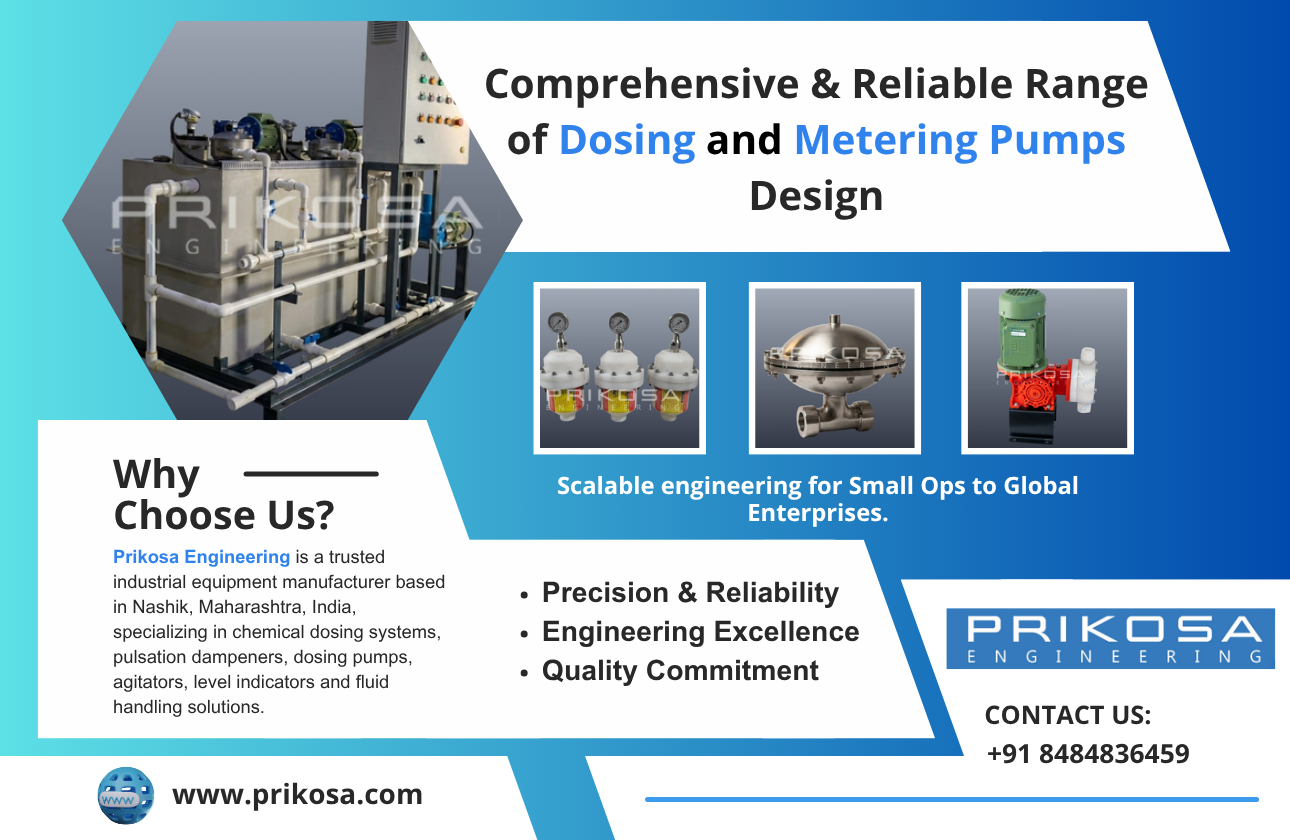
Alum dosing systems are composed of several key components that work in harmony to deliver their benefits. These include storage tanks for alum, dosing pumps to inject alum into the water stream, and control systems that regulate the flow and amount of alum being used. Proper calibration and maintenance of these components are essential for the system’s efficient operation. To gain deeper insights into these components, consider exploring Alum Dosing System systems from leading providers.
Alum Dosing System: The Process
The process begins by storing liquid alum in a tank. From there, a metering pump precisely doses the required amount into the water. This integration is usually controlled by an automated system that adjusts the dosage based on several parameters, including water flow rate and quality requirements. The effluent then undergoes flocculation, where the alum helps in binding the particles. Finally, through sedimentation or filtration, the larger coagulated particles are removed.
Advantages of Using Alum Dosing Systems
There are several advantages tied to using an Alum dosing system. Notably, it enhances water clarity by reducing turbidity and color. This is particularly important for municipal water supplies as it's crucial to meet safety standards and improve taste. Alum Dosing System setups also offer cost-effectiveness because alum is readily available and generally cheaper than other coagulants. The systems require low maintenance due to their relatively simple design, thus prolonging the lifespan of water treatment facilities.
Industries Benefiting from Alum Dosing Systems
Alum dosing systems find applications across various industries beyond just municipal water treatment. In the food and beverage industry, these systems help maintain clean water supply chains essential for production processes. They are also employed in the textile industry to treat wastewater containing dyes and chemicals before it is discharged. Furthermore, in mining and petroleum sectors, these systems play a role in treating effluents, thereby mitigating the environmental impact of such activities.
Frequently Asked Questions
1. What is the primary function of an Alum dosing system?
Answer: The primary function of an Alum dosing system is to enhance the water treatment process by acting as a coagulant. It helps in clumping together small particles in the water, making them larger and easier to filter out.
2. How does an Alum dosing system enhance water quality?
Answer: It reduces turbidity and improves water clarity by binding particles. This process ensures safer, cleaner water, which is vital for both municipal and industrial applications.
3. Is alum safe for drinking water treatment?
Answer: Yes, alum is widely used for drinking water treatment as it effectively reduces impurities. When used at regulated levels, it is safe and meets health standards set by authorities.
4. Where can I find more information about Alum dosing systems?
Answer: For more detailed insights, visit this guide on Alum dosing systems.
5. Can alum use affect the taste of water?
Answer: When dosed properly, alum can improve the taste of water by removing suspended particles and impurities. It is important to calibrate the dosing to avoid residual chemical tastes.