
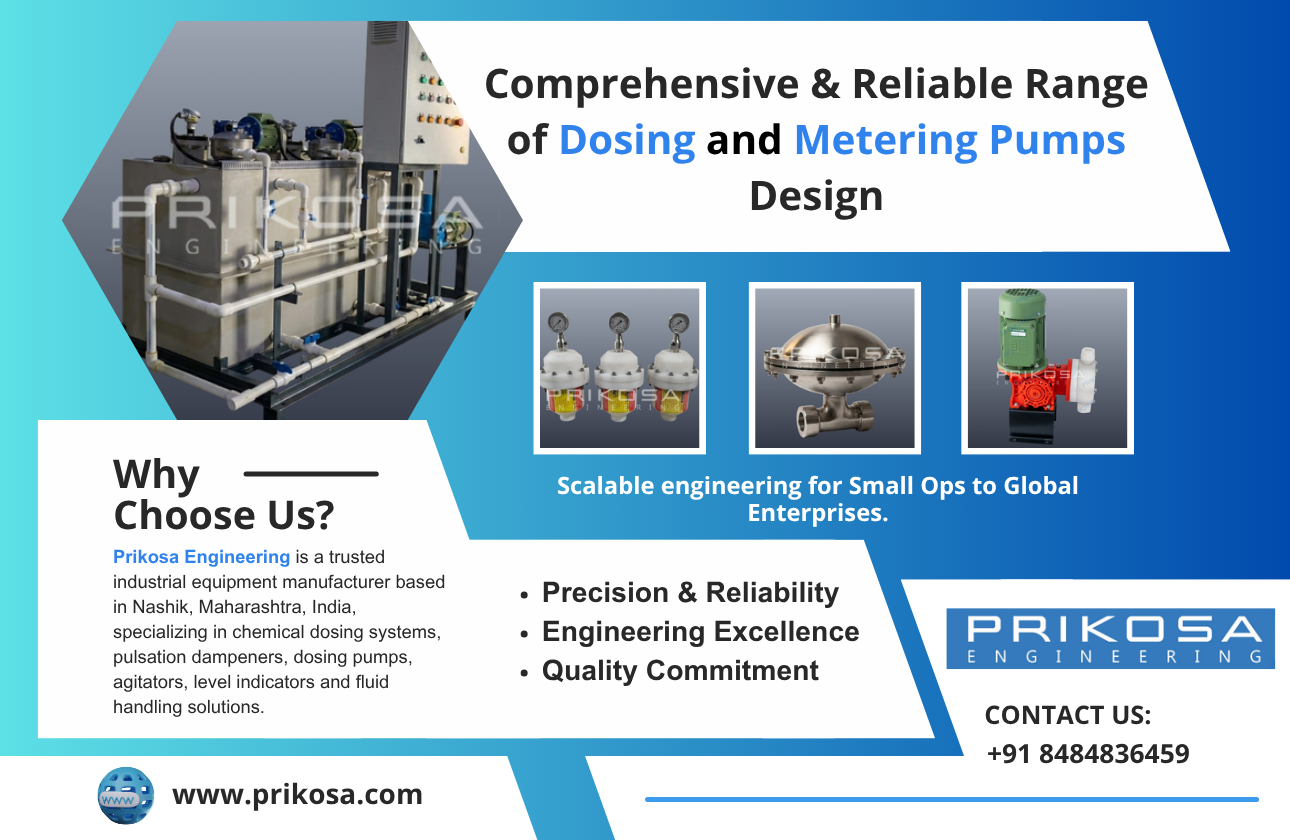
Smart Dosing System
Smart dosing systems are transforming how industries manage liquid and chemical distribution. They are designed to precisely control the amount of substance being distributed into a system, ensuring optimal performance and minimizing waste. What makes these systems 'smart' is their ability to adjust dosing levels based on real-time data and analytics. This capability not only enhances efficiency but also helps in maintaining consistent quality in processes. By integrating sensors and Internet of Things (IoT) technology, smart dosing systems can self-regulate and offer insights into usage patterns, which is crucial for industries aiming to enhance sustainability and operational excellence. Companies can benefit from these systems by reducing costs, improving accuracy, and achieving better regulatory compliance.
Smart Dosing System
When it comes to efficiency and innovation, smart dosing systems stand out. These systems not only automate the dosing process but also incorporate machine learning algorithms to refine operations over time. A critical aspect of their function is their capability to predict and adapt to future requirements. This predictive functionality allows operators to make strategic decisions regarding maintenance and scaling. Moreover, the data collected can integrate with other enterprise systems to support broad-scale operational improvements. With their state-of-the-art design and adaptability, smart dosing systems align with contemporary industry demands, especially in the pharmaceutical and food sectors. Staying informed about the development and integration of these systems is vital for any business aiming to stay competitive.
Automatic Dosing System
Compared to smart dosing systems, automatic dosing systems serve as an effective, straightforward solution for many businesses. While they offer less complexity, automatic systems are equipped with programmable settings to dose substances at predefined rates and timings. These systems are essential for ensuring consistency and dependability in various processes such as water treatment and chemical manufacturing. However, unlike smart systems, automatic dosing systems require manual adjustments for any changes in processes; they don't possess the same level of adaptability offered by smart solutions. Nonetheless, their simplicity, combined with reliability, makes them suitable for environments where conditions remain relatively constant or for tasks that don't necessitate advanced data analytics and real-time adjustments.
Advantages of Smart Dosing Systems
Smart dosing systems offer numerous advantages over traditional models. The integration of automatic dosing system technologies enables them to dynamically adjust based on the requirements of the task at hand. This flexibility not only improves process efficiency but also helps in reducing operational costs. Advanced monitoring and diagnostic features support immediate troubleshooting and preventive maintenance, promoting longer system lifespans and fewer production downtimes. Their ability to gather and analyze usage data provides actionable insights that can drive further optimization and innovation within the industry. Overall, businesses that implement smart dosing systems can expect enhanced productivity and better resource management.
Integration with Existing Systems
One of the challenges of adopting new technology is integrating it with existing systems, and smart dosing systems are no exception. However, they are designed with compatibility in mind. Most smart dosing systems can seamlessly interface with other technological solutions through standardized connectivity solutions. This means that whether it's a legacy system or an advanced processing unit, they can integrate efficiently, providing cohesive operation across platforms. With their adaptive nature, these systems can incorporate feedback and adjustments, ensuring compatibility and enhancing overall performance. Companies looking to transition from automatic dosing systems to smart solutions find this adaptability particularly advantageous.
Frequently Asked Questions
1. What industries benefit the most from smart dosing systems?
Answer: Industries like pharmaceuticals, water treatment, and food processing benefit significantly because they require precision, adaptability, and extensive data analysis. Smart dosing systems cater to these needs efficiently.
2. How does a smart dosing system differ from an automatic dosing system?
Answer: While both automate the dosing process, smart dosing systems use real-time data and adaptive learning to optimize dosing continuously, unlike automatic systems that rely on pre-set parameters without considering real-time changes.
3. Why are smart dosing systems considered more efficient?
Answer: Smart systems adjust dosing based on real-time data and system demands, leading to reduced waste and enhanced efficiency compared to traditional automatic dosing systems.
4. What are the maintenance requirements for smart dosing systems?
Answer: Smart dosing systems generally have lower maintenance needs thanks to their diagnostic capabilities, which allow for early detection of issues and support preventive maintenance strategies.
5. Are smart dosing systems more expensive than automatic ones?
Answer: Initially, smart dosing systems may be more costly due to their advanced technology. However, the long-term savings from improved efficiency, reduced waste, and maintenance can offset the initial investment.