
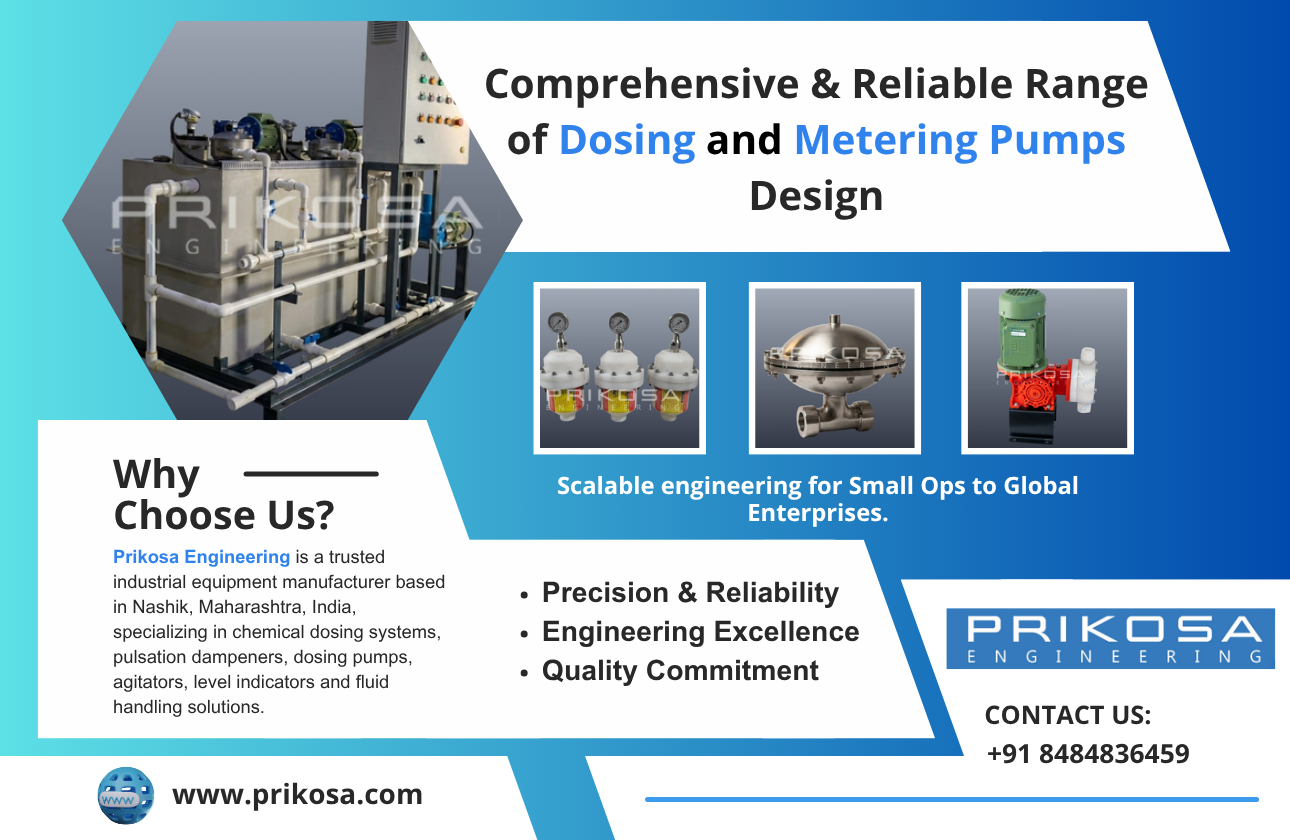
What is a Pulsation Dampener for a Dosing Pump?
A pulsation dampener is an important component when using a dosing pump. Its core function is to balance the flow of liquids, especially when inconsistency is a concern. Without this device, the liquid flow can be erratic, creating pressure spikes. By smoothing out these pulses, the dampener ensures a continuous and stable flow, which is crucial for processes that require precision. As you might expect, diaphragm-type dampeners are a popular choice because they effectively absorb these fluctuations.
Why Use a Pulsation Dampener for Dosing Pumps?
The main reason to use a pulsation dampener is to protect the rest of your system. Imagine the pump jolting with every cycle, causing vibrations that can wear down its components. The pressure noise can be loud and evidence of a bigger problem brewing. By installing a dampener, you reduce this wear and tear, making your system more durable. Additionally, testing pressures, especially at high levels, becomes more manageable, promoting longevity and efficiency.
How Does a Dosing Pump Pulsation Dampener Work?
In simple terms, a dosing pump pulsation dampener acts like a shock absorber. It usually contains a chamber filled with gas or air, maintaining pressure that's ready to counteract the spikes caused by the pump's strokes. When the pump operates, it sends the liquid through, and the dampener absorbs the shock. This diminishes the peaks and valleys in pressure, resulting in a more consistent flow. Such a design ensures that any downstream processes remain uninterrupted, enhancing the reliability of the system. It's a core aspect shared with many pulsation dampeners.
Choosing the Right Pulsation Dampener for Your Dosing Pump
Picking the right pulsation dampener depends on several factors. First, consider the type of liquid you are dealing with, as some liquids require materials that resist corrosion. Next, the pressure range of your system is critical. You wouldn't want to pick a dampener that can't handle your system's pressure. Lastly, think about the size and connection fittings in your current setup to ensure compatibility. Specialized pumps sometimes require custom solutions to fully benefit from these damping systems.
Optimizing Your System with Pulsation Dampeners
Including a pulsation dampener in your system isn't just about avoiding potential problems. Rather, it's a proactive approach to optimize performance. This component helps stabilize pressure, leading to better process control and more accurate dosing. When the flow rate is smoother, downstream equipment becomes more efficient, as it operates under steady conditions. This can also reduce the energy needed to drive the pump, saving on operating costs. Over time, the investment in a quality pulsation dampener pays off, especially in chemical dosing systems.
Choosing Between Various Pulsation Dampeners
When selecting a pulsation dampener, it is important to consider the specific demands of your application. There are many options out there designed to cater to different needs. Some are specifically made for high-pressure applications, while others may be more suited for standard day-to-day operations. A thorough understanding of your process requirements and pump capabilities will guide you in making the best choice.
Frequently Asked Questions
1. What is the main function of a pulsation dampener?
Answer: The primary function of a pulsation dampener is to minimize flow fluctuations and pressure spikes in a pumping system. This ensures a consistent and smooth flow of liquid, protecting the system and improving efficiency.
2. Are pulsation dampeners necessary for all dosing pumps?
Answer: While not every setup requires a pulsation dampener, they are highly beneficial in applications where precision and stability are critical. They help maintain accurate dosing and prolong system life.
3. How can I determine the best pulsation dampener for my setup?
Answer: Consider the type of liquid you're handling, the pressure requirements of your system, and the materials compatible with your operations. Consulting with experts or manufacturers can provide more tailored advice.
4. How do pulsation dampeners improve the efficiency of dosing pumps?
Answer: By stabilizing the flow and minimizing vibrations, pulsation dampeners reduce wear and tear on the pump and connected equipment, leading to lower maintenance costs and energy savings.
5. Can a pulsation dampener help with noise reduction?
Answer: Yes, one of the additional benefits is noise reduction. By smoothing the pump’s operation, less vibration and noise are transmitted through the system, resulting in quieter performance.