
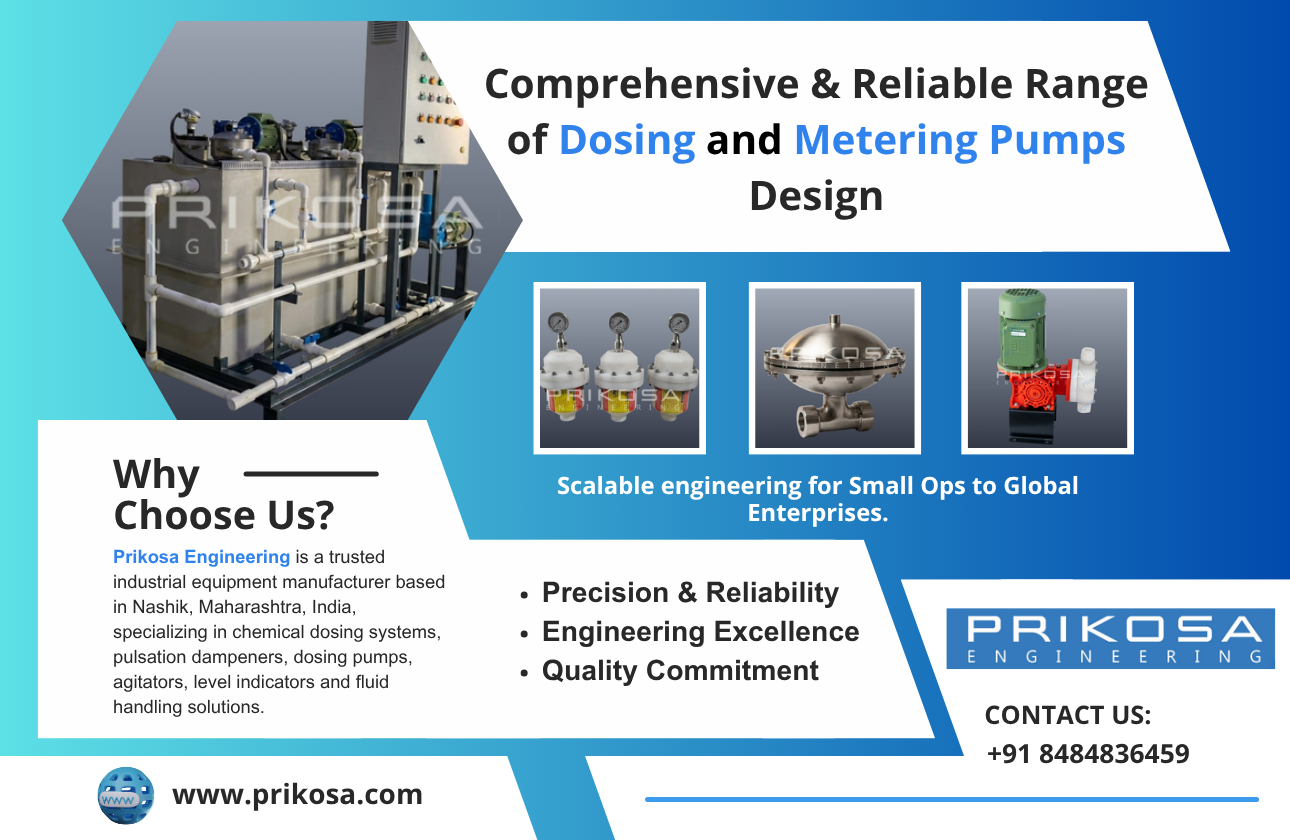
What is a Polymer Dosing System for STP?
Polymer dosing systems are essential tools used in sewage treatment plants (STP). They efficiently introduce polymers into the treatment process to help in solid-liquid separation. This process is crucial because it ensures that solids in wastewater clump together. This clumping, or flocculation, makes it easier to remove the solids from the water. Without these systems, the treatment process could become inefficient and more costly.
How Does the Polymer Dosing System for STP Work?
The system allows precise dosing of the polymers into the wastewater, which then causes the fine particles to bind together. This is achieved by using various pumps and controls that ensure the correct amount of polymer is added. After the polymers mix into the water, they enhance the flocculation process. This is important in transforming the treated water, making it clearer and less polluted, thus more environmentally friendly.
Benefits of Polymer Dosing Systems in STP
Using polymer dosing systems in sewage treatment plants brings multiple benefits. First, they significantly lower the operational costs by reducing the amount of chemicals required in the treatment process. Secondly, they improve the efficiency and speed of the treatment process, helping plants process large volumes of wastewater effectively. Finally, polymer dosing systems help in maintaining compliance with environmental regulations by ensuring treated water meets the required standards.
Components of a Polymer Dosing System
Polymer dosing systems are composed of several key components that work together. These include the storage tank for holding the polymer solution, dosing pumps, mixing chambers, and the control unit. The storage tank keeps the solution until it is needed, and the dosing pumps help inject the specific amount needed. The mixing chambers ensure the polymer solution is thoroughly mixed with the wastewater, and the control unit oversees the system operation to maintain optimal processing conditions.
Installation and Maintenance Tips
Setting up a polymer dosing system requires careful installation and regular maintenance. Proper installation ensures that the system works efficiently. This includes correct placement of tanks and pumps. Regular maintenance involves checking the components for wear and tear and ensuring the dosing pumps are calibrated correctly. Regular inspection avoids expensive repairs and extends the system's lifespan.
Frequently Asked Questions
1. How does a polymer dosing system help in STP operations?
Answer: The system improves solid removal efficiency, reduces chemical consumption, and lowers energy costs, which in turn enhances overall operational efficiency.
2. Are polymer dosing systems complicated to maintain?
Answer: No, they are designed to be user-friendly. Regular checks and calibrations ensure they run smoothly without frequent complex interventions.
3. Can polymer dosing systems be automated?
Answer: Yes, they can be automated by integrating them with the plant’s control system, allowing for precise polymer dosing without human intervention.
4. What makes polymer an important component in wastewater treatment?
Answer: Polymers increase the efficiency of the flocculation process, which is central to separating solids from wastewater, making it crucial in treatment plants.
5. Can polymer dosing systems be customized for different STPs?
Answer: Absolutely, they can be tailored according to the specific requirements and capacity of varying sewage treatment plants.