
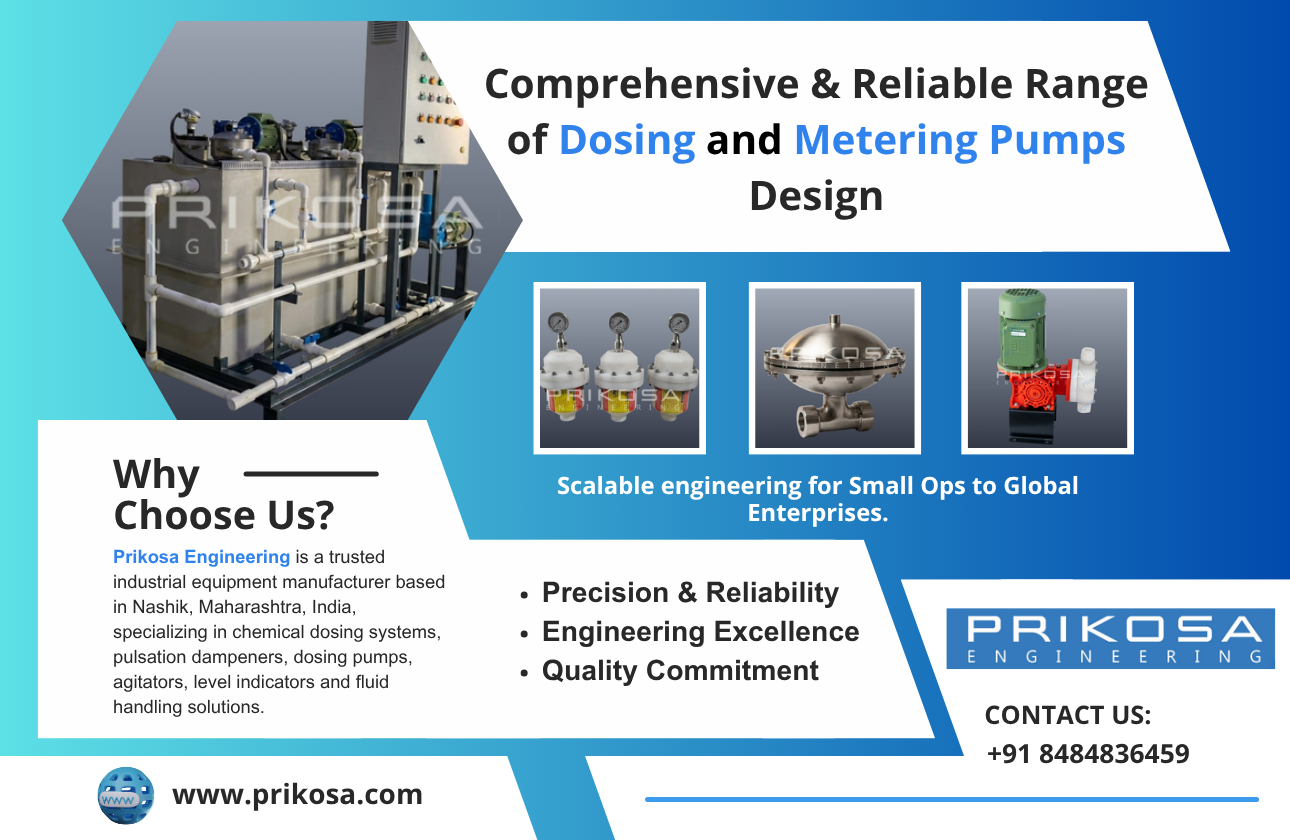
Introduction to Polymer Dosing Systems for STP
When it comes to sewage treatment plants (STP), maintaining efficient operations is crucial. One key component that helps achieve this efficiency is a polymer dosing system. These systems are designed to introduce polymers into wastewater to aid in the flocculation process, which is essential for effective wastewater treatment. They ensure that the solids in sewage are aggregated for easier removal, thereby enhancing the clarity and quality of treated water. By understanding the role of polymers, one can appreciate the importance of integrating these systems into STPs.
How Polymer Dosing Systems Work
Polymer dosing systems work by injecting a specific amount of polymer into the sewage. This process requires precision and consistency; otherwise, the treatment process could be compromised. The system includes a dosing pump, often referred to as a dosing pump, that is responsible for accurately delivering the polymer solution into the wastewater stream. These pumps are vital as they control the flow and quantity of the polymer being introduced, ensuring that the process is efficient and effective.
The Benefits of Using Polymer Dosing Systems in STP
Implementing a polymer dosing system in an STP offers several benefits. First and foremost, it increases the efficiency of the sewage treatment process. By ensuring the proper flocculation of solids, these systems help in reducing the load on subsequent treatment stages, leading to better overall performance. Additionally, using polymers can lead to significant cost savings due to their ability to reduce chemical and sludge handling costs. The integration of dosing systems can also minimize the environmental footprint of treatment plants by enhancing the treatment process's overall efficiency.
Challenges and Considerations
Although polymer dosing systems are highly beneficial, they do come with their challenges. One major consideration is the selection of appropriate polymers, which can vary based on the characteristics of the wastewater being treated. Another consideration is maintaining the dosing equipment to prevent malfunctions. Proper training and regular maintenance are key to ensuring these systems continue to function at their best. It’s also crucial to understand the intricate balance between dosing rates and flow rates to maximize the system’s effectiveness.
Polymer Dosing System for STP: A Closer Look
The specific application of polymer dosing systems for STP involves tailoring the system to handle the unique challenges of treating sewage. For instance, these systems must handle varying volumes of sewage with differing compositions. This requires the use of adaptable dosing techniques and robust equipment like flocculant dosing pumps that can manage these variations seamlessly. Their durability and adaptability are what make these systems a staple in modern sewage treatment plants.
Advancements in Polymer Dosing Technology
Over the years, advancements in technology have significantly improved polymer dosing systems. Innovations such as automated control systems and smart dosing technologies are becoming more prevalent. These advancements ensure precision and allow for real-time adjustments based on the fluctuating conditions within an STP. Integrating these technologies not only improves the efficiency of the systems but also reduces the need for constant manual adjustments, making operations more straightforward and error-free.
Frequently Asked Questions
1. How does a polymer dosing system improve wastewater treatment efficiency?
Answer: A polymer dosing system enhances wastewater treatment by improving the flocculation process. This leads to more efficient separation of solids from the wastewater, resulting in clearer, cleaner water and reduced load on subsequent treatment stages.
2. Can polymer dosing systems be customized for different types of sewage?
Answer: Yes, polymer dosing systems can be tailored to suit the specific needs of different kinds of sewage. The choice of polymers and dosing systems can be adjusted based on the sewage composition to optimize treatment efficiency.
3. What maintenance is required for a polymer dosing system?
Answer: Regular maintenance is crucial to ensure the optimal performance of a polymer dosing system. This includes periodic checks of dosing pumps, calibrating dosing rates, and ensuring the polymers are mixed and injected correctly.
4. Are there any environmental benefits to using polymer dosing systems?
Answer: Yes, polymer dosing systems can contribute to environmental benefits by enhancing the efficiency of sewage treatment and reducing the amount of chemicals needed. This results in less chemical waste and a reduced environmental impact.
5. What is the role of automation in modern polymer dosing systems?
Answer: Automation plays a critical role in modern polymer dosing systems by enabling precise control over the dosing process. Automated systems can adjust dosing rates in real-time based on the sewage flow and characteristics, enhancing both efficiency and effectiveness.