
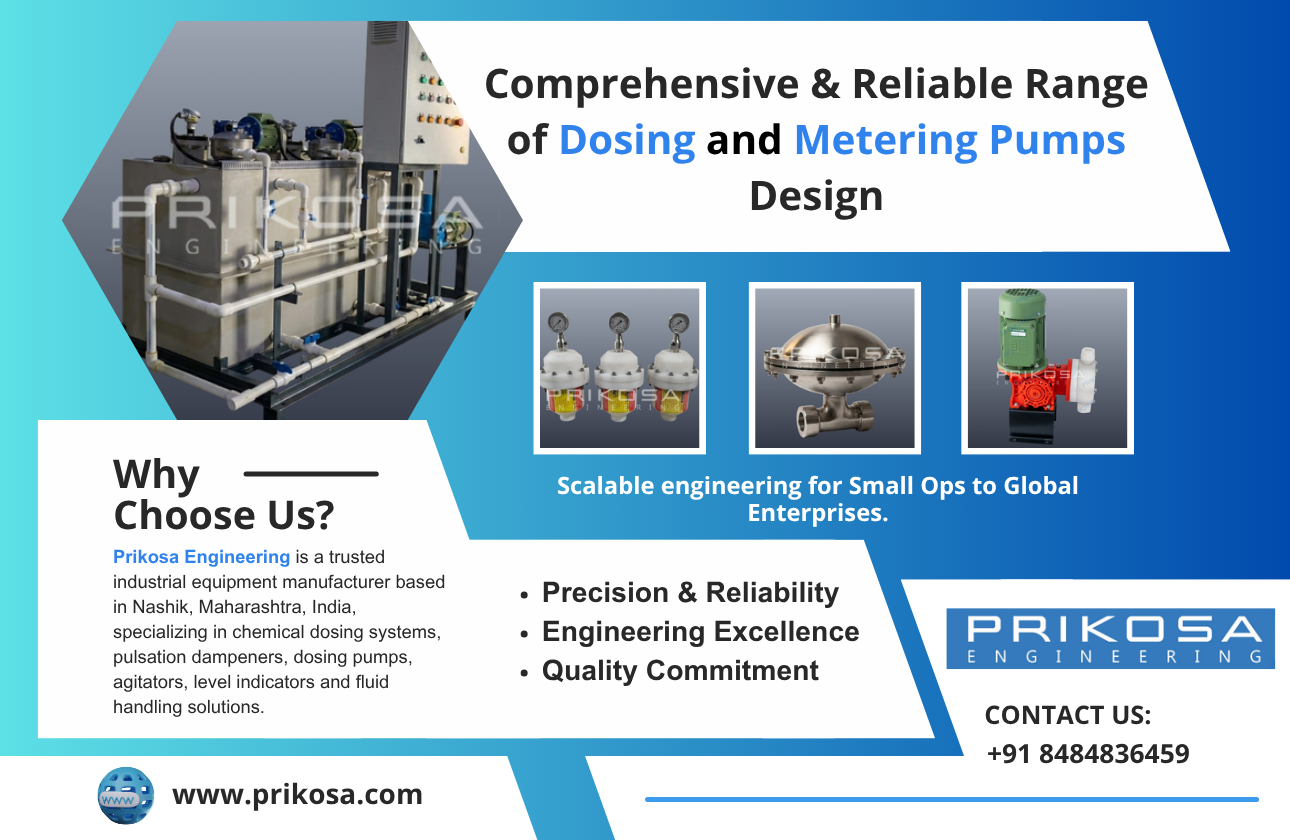
What is a Polymer Dosing System for STP?
A Polymer Dosing System for STP is a piece of equipment used in sewage treatment plants to help clean water efficiently. These systems are crucial because they allow the correct amount of polymers to be added to the water. Polymers are chemicals that help in aggregating the small particles into larger ones so that they can be easily removed from the water. This process is crucial for making sure that the treated water is clean and safe for release or reuse. If you're new to this, think of polymer dosing like using the right amount of soap when washing dishes. It's about getting the balance just right.
How Do Polymer Dosing Systems Work?
Polymer dosing systems work by automatically injecting a precise amount of polymer solution into wastewater. The system involves storage tanks, dosing pumps, and control units. It all starts with preparing the polymer solution, which is stored in tanks. Then, the pumps dispense the solution into the wastewater at a specific rate. The control units make sure everything runs smoothly and adjusts the dosing based on the water's needs. This careful management helps make the process effective and reduces waste.
The Need for Polymer Dosing in STPs
Sewage treatment plants need polymer dosing systems to enhance the water treatment process. Sewage contains numerous small particles that are tricky to remove. Polymers act like magnets for these particles, clumping them together for easier filtration. Implementing a polymer dosing system can significantly increase the clarity and cleanliness of the output water. Moreover, it enhances the efficiency of the treatment system, reducing costs and time required for effective water purification.
Benefits of Using Polymer Dosing Systems
Using a polymer dosing system in STPs comes with several benefits. Firstly, it improves the quality of treated water by efficiently removing impurities and contaminants. Secondly, it can lower operational costs by optimizing chemical usage, which minimizes waste and overuse. Thirdly, polymer dosing systems reduce the need for manual intervention, making operations more automated and reliable. Lastly, they contribute to environmental sustainability by ensuring safer water discharge into the environment.
Components of a Polymer Dosing System
A typical polymer dosing system comprises a few key components. The storage tanks hold the polymer in its concentrated form. The dosing units or pumps are used to introduce the polymer into the water stream, and they are controlled by dosing controllers. These controllers monitor and adjust the flow rate and volume of the polymer being added. The whole setup is designed to provide seamless and efficient dosing to enhance the treatment process.
Understanding the Basics of STP
Sewage treatment plants or STPs play a crucial role in managing wastewater. These facilities process wastewater to remove harmful substances and pollutants, ensuring that the water discharged is safe for the environment. STPs utilize different treatment stages, such as mechanical, biological, and chemical. The addition of systems like polymer dosing enhances their efficiency, making the final output even cleaner. It's like having a team of filters working together to ensure nothing unwanted slips through.
Frequently Asked Questions
1. What is the role of polymer dosing systems in water treatment?
Answer: Polymer dosing systems help aggregate small particles in the water, making it easier to remove them during treatment. They enhance the clarity and quality of the water output by enabling more efficient particle removal.
2. How do polymer dosing systems improve the efficiency of STPs?
Answer: These systems optimize the chemical use, reducing wastage and manual intervention. As a result, the treatment process becomes more efficient and cost-effective.
3. Are polymer dosing systems environmentally friendly?
Answer: Yes, polymer dosing systems are environmentally friendly as they ensure efficient use of chemicals, reduce wastewater treatment time, and result in cleaner water discharge.
4. How does a dosing pump contribute to the polymer dosing process?
Answer: Dosing pumps control the precise amount of polymer introduced into the water, which is essential for effectively aggregating particles and enhancing the treatment process.
5. What are the primary components of a polymer dosing system?
Answer: A polymer dosing system consists of storage tanks for the polymer, dosing pumps for dispensing, and a control unit for monitoring and adjusting the dispensing process.