
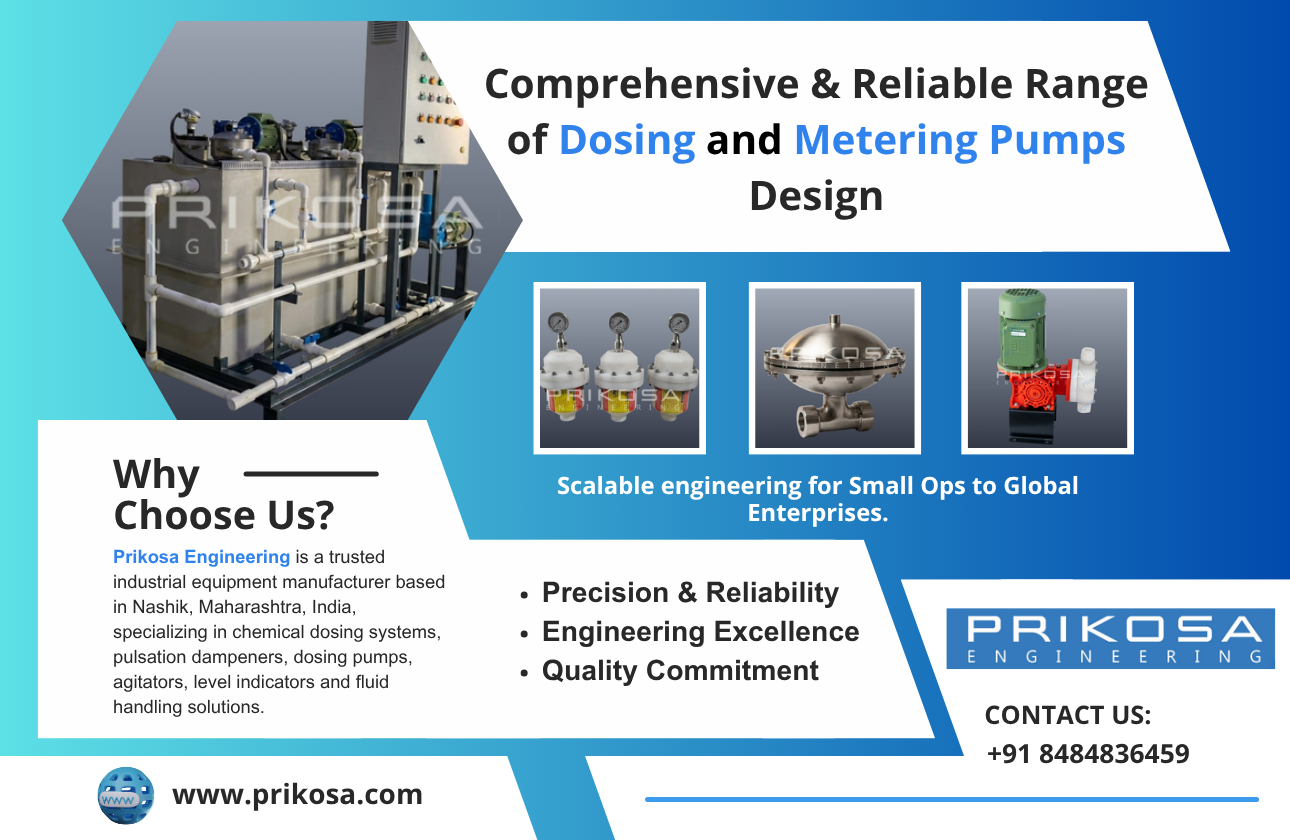
Introduction to Polymer Dosing Systems
Polymer dosing systems are essential in water treatment processes for optimizing the use of polymers in coagulation and flocculation. These systems efficiently introduce polymers into water treatment processes to aggregate particles, which makes it easier to separate and remove them. The efficiency of this process significantly impacts the overall performance of the treatment plants, helping reduce costs and improve the quality of treated water.
Principles of Polymer Dosing
In polymer dosing, polymers act as coagulants or flocculants to bind fine particles together. This process reduces turbidity and enables suspended particles to form larger aggregates, known as flocs. The precise control offered by polymer dosing systems ensures the right amount of polymer is used, preventing overuse and minimizing waste. This optimization is crucial for maintaining both the economic and environmental aspects of water treatment.
Types of Polymer Dosing Systems
There are various types of polymer dosing systems available, ranging from manual to fully automated setups. Manual systems require more frequent maintenance and observation, while automated systems offer precision and ease of use. For instance, automatic flocculant dosing systems handle dosing with minimal human intervention. Such systems are equipped with sensors and controllers that adjust dosing rates in real-time based on the quality and volume of water being treated.
Advantages of Polymer Dosing Systems
Utilizing a polymer dosing system has several benefits. It enhances the efficiency of water treatment by ensuring consistent dosing levels, which improves the removal of contaminants. Additionally, automation reduces labor costs and human error. The chemical consumption is minimized by optimizing the delivery of the polymer, which also cuts down on chemical costs over time. These systems also enhance operational safety by reducing direct chemical handling by personnel.
Polymer Dosing System for ETP
In Effluent Treatment Plants (ETP), polymer dosing systems play a critical role in treating industrial wastewater. They ensure the removal of pollutants by coagulating contaminants. By maintaining optimal polymer dosage, these systems help achieve regulatory compliance while reducing environmental footprint. They are especially important in industries discharging large volumes of effluent, as they improve the quality of discharge by reducing contaminants effectively.
Polymer Dosing System for STP
In Sewage Treatment Plants (STP), polymer dosing systems are equally essential. These systems facilitate the aggregation of solid waste, making it easier to filter out and reduce organic load in the treated water. Using a polymer dosing system in an STP improves the efficiency of secondary treatment processes, thereby enhancing wastewater quality. This is crucial for plants aiming to recycle or safely discharge treated water into natural water bodies.
Polydosing System for ETP and STP
The use of a polydosing system in both ETP and STP allows for the simultaneous or sequential use of multiple polymers. This flexibility is beneficial for complex waste streams with variable compositions, as it provides a versatile way to address different contaminants. By using a polydosing system, treatment plants can adjust polymer combinations and concentrations to improve the overall effectiveness and adaptability of their treatment processes.
Implementing Polymer Dosing Systems
Integrating a polymer dosing system into existing treatment facilities involves understanding the specific requirements of the plant. Factors such as water type, contaminants present, and plant capacity all influence the choice of system. Consulting with experts and leveraging technological advancements can facilitate a successful implementation. Regular maintenance and monitoring are crucial to ensure the system functions optimally and delivers the expected results in both ETP and STP settings.
Future of Polymer Dosing Systems
As technology advances, polymer dosing systems are becoming more sophisticated, offering enhanced controls and automation. With increasing regulatory pressures and the need for sustainable practices, these systems are expected to become integral components in water treatment facilities. The focus will be on increasing efficiency, reducing costs, and enabling real-time monitoring and adjustments. Innovations will likely bring forth new methods of optimizing polymer use, contributing to the evolution of treatment processes worldwide.
Frequently Asked Questions
1. What is a polymer dosing system?
Answer: A polymer dosing system is a setup used in water treatment processes to add polymers for coagulating and flocculating fine particles. It helps in optimizing chemical use and enhancing the quality of treated water.
2. Why are polymer dosing systems important in ETP and STP?
Answer: They are crucial because they enhance the removal of contaminants, ensure compliance with environmental standards, and improve the efficiency of treatment processes in ETP and STP.
3. How does an automatic polymer dosing system work?
Answer: An automatic system uses sensors and controllers to adjust polymer dosing rates in real-time, based on water quality and volume, ensuring precise and efficient treatment with minimal human intervention.
4. What are the benefits of using a polydosing system?
Answer: Polydosing systems allow treatment plants to use multiple polymers simultaneously or sequentially, offering versatility in handling complex waste streams and improving treatment efficiency.
5. How can polymer dosing systems evolve in the future?
Answer: Future systems will likely feature greater automation, real-time monitoring, and enhanced efficiency, enabling sustainable practices and better compliance with environmental standards.