
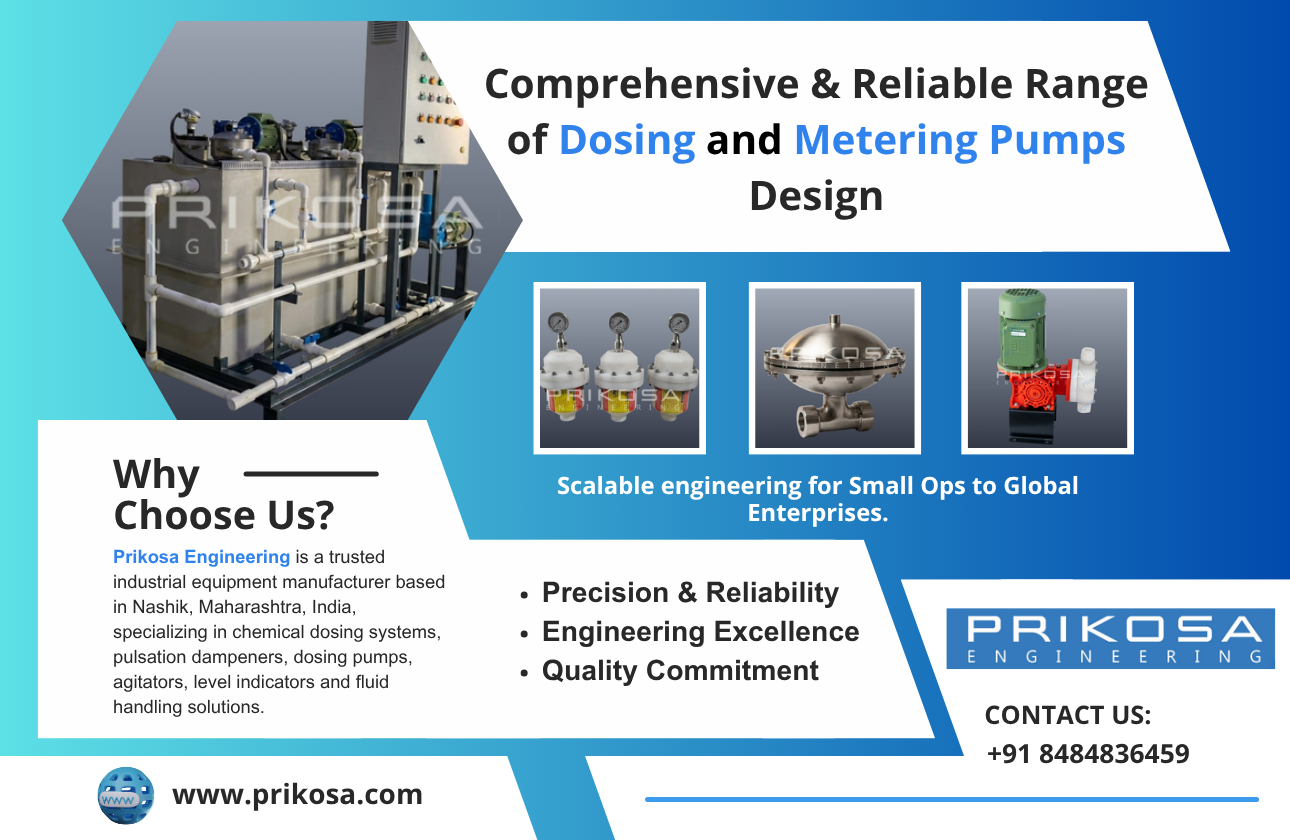
Introduction to Polymer Dosing Systems
Polymer dosing systems play an essential role in water treatment and various industrial processes. These systems precisely mix and dose polymers into a system where they perform the crucial job of coagulating and flocculating. These actions are necessary for effective solid-liquid separation. This makes them indispensable in fields like water treatment, paper production, and even drilling. Understanding how these systems work can help industries ensure their processes run smoothly and efficiently.
How Do Polymer Dosing Systems Work?
The primary function of a polymer dosing system is to ensure the precise delivery of polymers in liquid or powder form. These systems include pumps, mixers, and storage tanks that collectively ensure the polymers are kept in optimal conditions before use. Using advanced systems like a polydosing system, the efficiency becomes even higher due to automated and controlled dosing. Such automation leads to better control, reduced waste, and consistently high-quality outcomes in the processes involved.
Key Components of Polymer Dosing Systems
In a polymer dosing system, several components work together to make the dosing accurate and efficient. These include dosing pumps, which might be diaphragm or peristaltic types, and mixers that ensure proper dilution of the polymer. The dosing unit sometimes consists of sensors and controllers that help keep the dosing consistent. More about polymer dosing systems can offer insights into their varied applications, highlighting their importance in effective water treatment.
Advantages of Using Polymer Dosing Systems
One major benefit of polymer dosing systems is their precision. By accurately dosing the required amount of polymer, these systems help in optimizing the process efficiency and product quality. They minimize the use of chemicals, reduce manual effort, and increase operational safety. In automated dosing systems, these benefits are further expanded as automation reduces human error and ensures consistency.
Applications in ETP and STP
Polymer dosing systems are widely used in Effluent Treatment Plants (ETP) and Sewage Treatment Plants (STP). In these scenarios, the systems help in treating wastewater, facilitating the separation of suspended solids through the process of flocculation. This makes the water reuse process efficient and environmentally friendly. Efficient polymer dosing in STP is critical in meeting water safety standards and regulatory compliance for waste management.
Polydosing Systems for ETP and STP
Polydosing systems offer advanced solutions for ETP and STP setups. These systems carry an enhanced control feature allowing multiple chemicals to be dosed simultaneously. This is particularly beneficial in complex treatment scenarios where different contaminants require different additives for removal. With polymer dosing systems, achieving greater treatment efficiency is possible, enhancing both environmental and operational aspects.
Integrating Technology in Dosing Systems
The integration of smart technology in polymer dosing systems has revolutionized how industries approach water treatment. Modern systems feature automation and connectivity, allowing for remote monitoring and control. This enables real-time adjustments, ensuring optimal performance and reducing downtime. Incorporating such smart systems is a step forward in modernizing and improving operational efficiency.
Frequently Asked Questions
1. What is a polymer dosing system?
Answer: A polymer dosing system is a setup used to precisely add polymers to a treatment system for processes like coagulation and flocculation, making solids easier to separate from liquids in water treatment.
2. Why are polymer dosing systems important in water treatment?
Answer: These systems ensure precise amounts of polymers are added to water treatment processes, which helps in efficient separation of solids, reducing chemical waste, improving water quality, and making the process cost-effective.
3. What role do polydosing systems play in ETP and STP?
Answer: Polydosing systems improve treatment efficiency in ETP and STP by allowing the simultaneous dosing of multiple chemicals, handling various pollutants effectively, and enhancing the treatment results.
4. How does automation benefit polymer dosing systems?
Answer: Automation in polymer dosing systems ensures accuracy and consistency, reduces the need for manual oversight, minimizes errors, and leads to better overall efficiency in industrial processes.
5. Can polymer dosing systems integrate with existing infrastructure?
Answer: Yes, polymer dosing systems can be integrated with existing water treatment setups, especially with the flexibility offered by modern smart systems that adapt to various process requirements.