
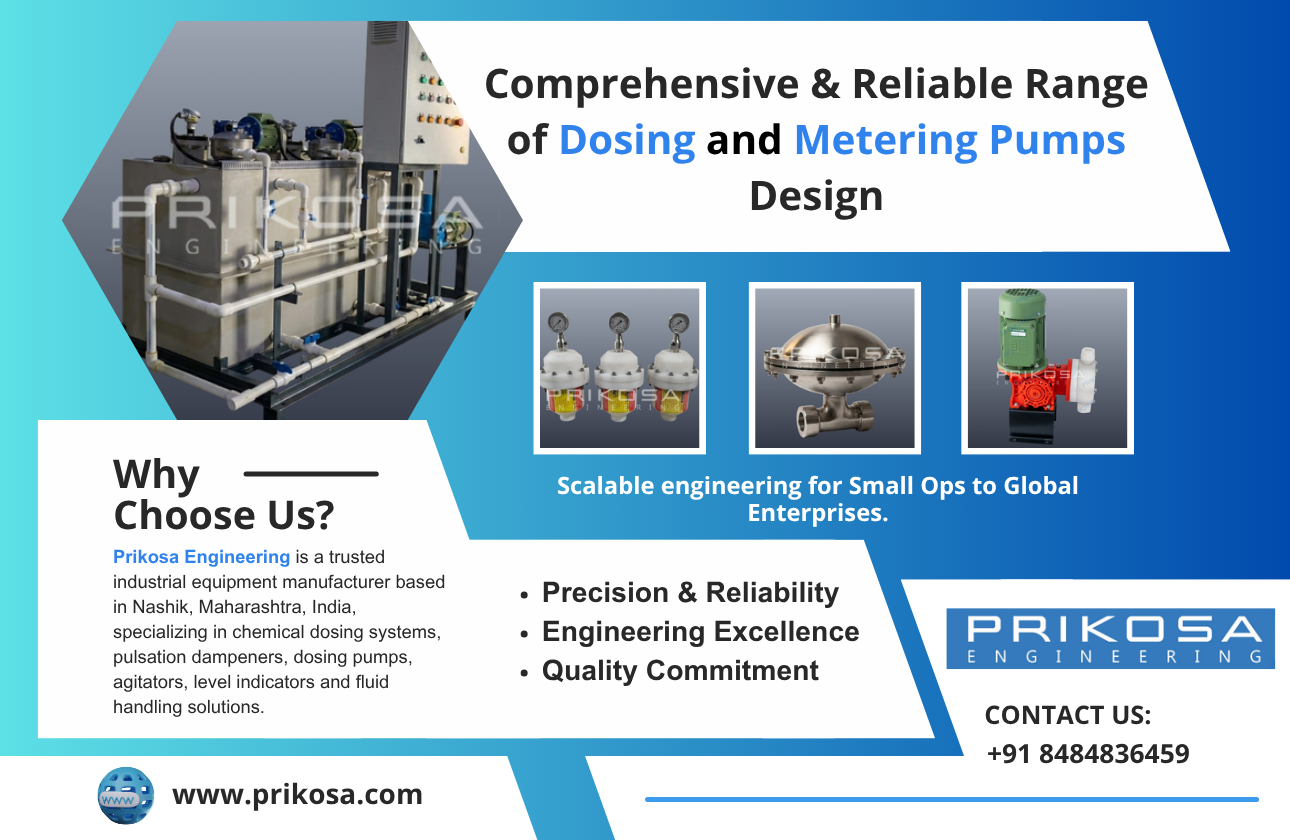
Introduction to Multi Chemical Dosing Systems
Multi chemical dosing systems are pivotal in a variety of industries, including water treatment, pharmaceuticals, and food processing. These systems delicately handle different chemicals, providing precise measurement and delivery into various processes. As more industries move towards automation, the adoption of multi chemical dosing systems is on the rise due to their efficiency and precision. Understanding what these systems do and how they work can be paramount for any business looking to enhance its processing capabilities.
How Multi Chemical Dosing Systems Work
The operation of a multi chemical dosing system involves the careful monitoring and mixing of specific chemical compounds to achieve a particular result. These systems rely on several pumps and valves to ensure the accurate delivery of chemicals. The process begins with either manual or automated input of desired chemical mixes. The system then calculates and measures the required amounts using feedback controls. Users can tailor the system to meet their diverse needs, facilitating customized chemical management for various applications. For more insight into the details, you might find Understanding the Chemical Dosing System useful.
Why Use a Multi Chemical Dosing System?
There are several reasons why industries opt for multi chemical dosing systems. Primarily, these systems provide enhanced accuracy and reduce the risk of human error. In industries where precision is crucial, such as pharmaceuticals, incorrect chemical quantities can lead to significant issues. In addition to accuracy, these systems offer considerable savings in both time and cost, as they automize the complex process of chemical mixing and delivery. Learn more by exploring the significance of such systems through Understanding Multi Chemical Dosing Systems.
Applications in Water Treatment
In the realm of water treatment, multi chemical dosing systems are indispensable. These systems are used to inject precise amounts of chemicals, such as chlorine and flocculants, to purify water effectively. They ensure safe drinking water by eliminating contaminants and pathogens. For a broader perspective on related applications, you could read about Automatic Flocculant Dosing System.
Multi Chemical Dosing Systems in the Pharmaceutical Industry
Pharmaceutical companies utilize multi chemical dosing systems to maintain stringent regulatory compliance. These systems guarantee precision in the mixing of various drug compounds, which is crucial for safety and efficacy. Automating this part of the drug production process greatly limits the risk of errors in dosage that could have severe health consequences. Additionally, such systems contribute to sustainable production practices by minimizing waste.
Integration with Existing Processes
One notable advantage of multi chemical dosing systems is their ability to seamlessly integrate with existing industrial processes. They are typically compatible with other automated systems, enabling cohesive operation without the need for extensive modifications. Many industries have systems in place to enhance productivity, reducing downtime and ensuring consistent output. You'll find similar topics discussed in pieces like Understanding the World of Chemical Dosing Systems.
Maintenance and Troubleshooting Tips
Proper maintenance of multi chemical dosing systems is crucial for their longevity and performance. Regular checks on components such as pumps, valves, and sensors are necessary to prevent system malfunctions. Operators should also be trained to spot potential issues early. Simple upkeep, like cleaning and calibrating parts, can go a long way in preserving the system's efficiency. You can deepen your understanding of such systems by exploring articles about the role of dosing pumps in various applications.
Frequently Asked Questions
1. What industries benefit most from multi chemical dosing systems?
Answer: Industries heavily reliant on chemical processes benefit the most, including water treatment, pharmaceuticals, and food processing. These systems ensure precise chemical delivery, enhancing safety and efficiency.
2. How do multi chemical dosing systems reduce human error?
Answer: By automating the chemical mixing and delivery processes, these systems minimize the need for manual intervention. This reduces the potential for human error in measuring and mixing chemicals.
3. Are these systems easy to integrate with existing setups?
Answer: Yes, multi chemical dosing systems are designed to integrate seamlessly with existing industrial processes, especially those that are already semi-automated or automated.
4. What maintenance is required for these systems?
Answer: Regular maintenance includes checking pumps, valves, and sensors, as well as cleaning and calibration to ensure the system functions correctly and efficiently.
5. Can multi chemical dosing systems contribute to sustainability?
Answer: Yes, by providing accurate dosing, these systems help minimize chemical wastage, thereby promoting more sustainable and environmentally friendly operations.