
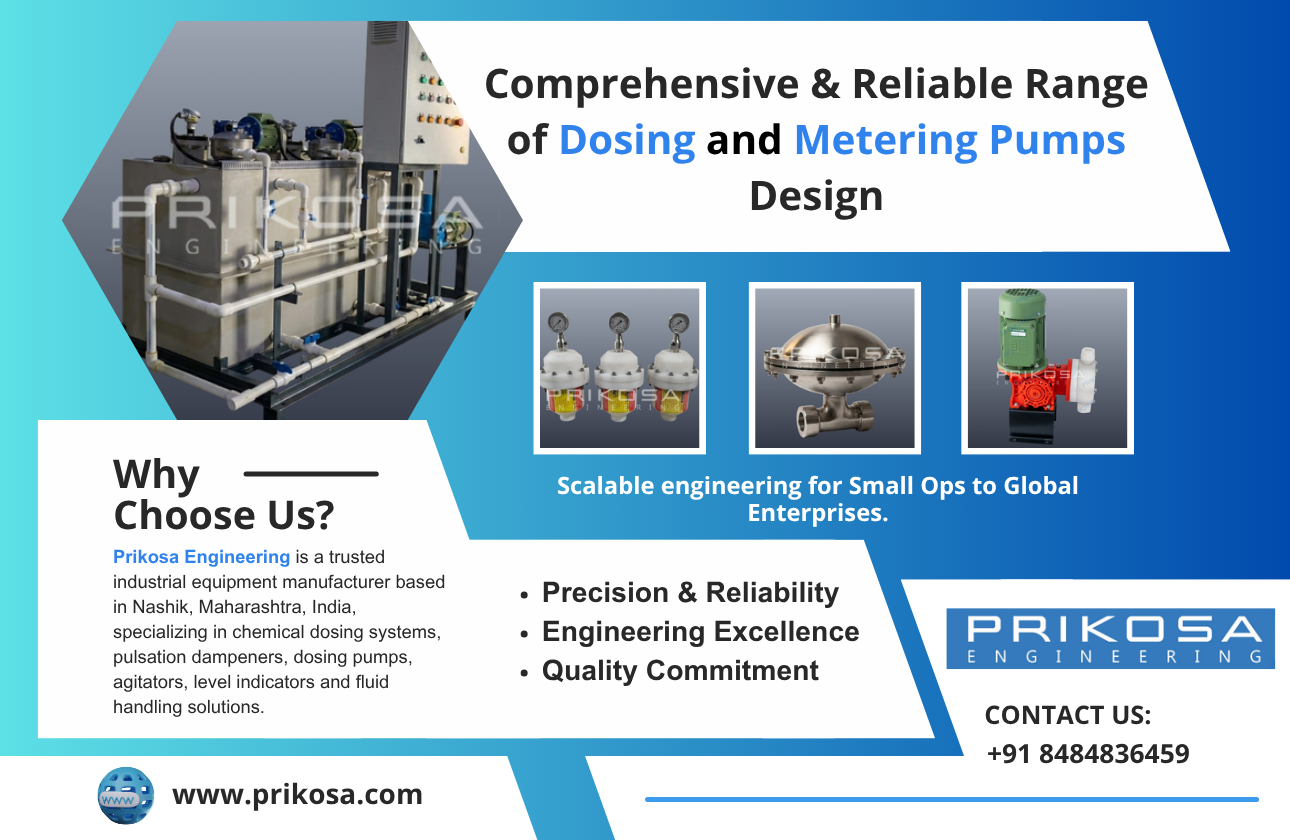
What is a Hydraulic Accumulator?
Hydraulic accumulators are energy storage devices used in hydraulic systems to store pressurized fluid. These devices are crucial because they help manage the pressure fluctuations within the system, ensuring smooth operation. Accumulators work much like a battery but for hydraulic fluid. By storing energy in the form of fluid under pressure, they allow systems to use it when needed. This is important for maintaining operational efficiency and safety across various machinery and processes. Understanding how these devices operate can provide key insights into their role in industrial applications.
How Does a Hydraulic Accumulator Work?
The operation of a hydraulic accumulator is based on compressible gas or a spring mechanism to store energy. It is designed to discharge fluid to maintain system pressure when required. When the system's pressure drops, the fluid is released from the accumulator to raise it back to the required level. This auto-adjustment allows hydraulic systems to accommodate load changes effectively, enhancing performance. If you are interested in more technical details, refer to this guide for a comprehensive understanding of its mechanism.
Types of Hydraulic Accumulators
There are several types of accumulators, including bladder, diaphragm, and piston accumulators. Each type has its unique advantages and is chosen based on the specific needs of the application. Bladder accumulators are known for quick response times, making them ideal for systems needing rapid relief. Diaphragm accumulators are compact and less expensive, but they are not suitable for high-volume applications. Piston accumulators are robust and well-suited for handling high pressure. Find out more about these types by exploring our resources on hydraulic accumulators.
The Benefits of Using Hydraulic Accumulators
Hydraulic accumulators offer several benefits that enhance system performance and lifespan. They help stabilize system pressure, reduce shock and vibration, store energy for future use, and compensate for leaks among other functions. By maintaining balance in the hydraulic system, they improve operational efficiency and prolong the life of components. Furthermore, accumulators can enhance the responsiveness of the system, which is vital in applications requiring precise pressure control. To explore more benefits, visit our detailed blog on system components.
Maintenance Tips for Hydraulic Accumulators
Proper maintenance of hydraulic accumulators is key to ensuring they function effectively and last for a prolonged period. Regularly inspecting for any leaks or wear and tear is crucial. It is also essential to monitor the pressure levels and gas charge frequently. Ensuring that these components are clean, and free from dirt will help prevent failure or damage. You can find out more about maintaining your system efficiently by reading our insights on system maintenance.
Applications of Hydraulic Accumulators
Hydraulic accumulators are versatile and used in various industries, including agriculture, construction, and automotive sectors. They are essential in providing additional power, compensating for thermal expansion, and absorbing shocks in machinery. Accumulators are critical in applications requiring energy storage and release, and they help improve efficiency and reliability. The agricultural sector, for example, utilizes them in hydraulic systems for tractors and other machinery. Similarly, construction equipment also relies on hydraulic accumulators for enhanced performance. For more information on where they fit, see our article on application areas.
Frequently Asked Questions
1. What is the primary purpose of a hydraulic accumulator?
Answer: The primary purpose of a hydraulic accumulator is to store energy in the form of hydraulic fluid under pressure, which is then released to stabilize system pressure and improve efficiency.
2. How do I choose the right type of accumulator for my needs?
Answer: Selecting the right accumulator involves considering factors such as the pressure range, volume requirements, and application specifics. Referring to the essential guide can help you choose wisely.
3. What regular maintenance is necessary for accumulators?
Answer: Regular maintenance includes checking for leaks, monitoring gas charge and pressure levels, and ensuring cleanliness. Frequent inspections can prevent issues and extend the life of the accumulator.
4. Can hydraulic accumulators be used in renewable energy systems?
Answer: Yes, hydraulic accumulators can play a part in renewable energy systems by storing energy and ensuring stability in power supply systems.
5. What happens if my accumulator fails?
Answer: If an accumulator fails, it can lead to unstable system pressure, damage other components, and increase operational inefficiencies. It may require immediate repairs or replacement.