
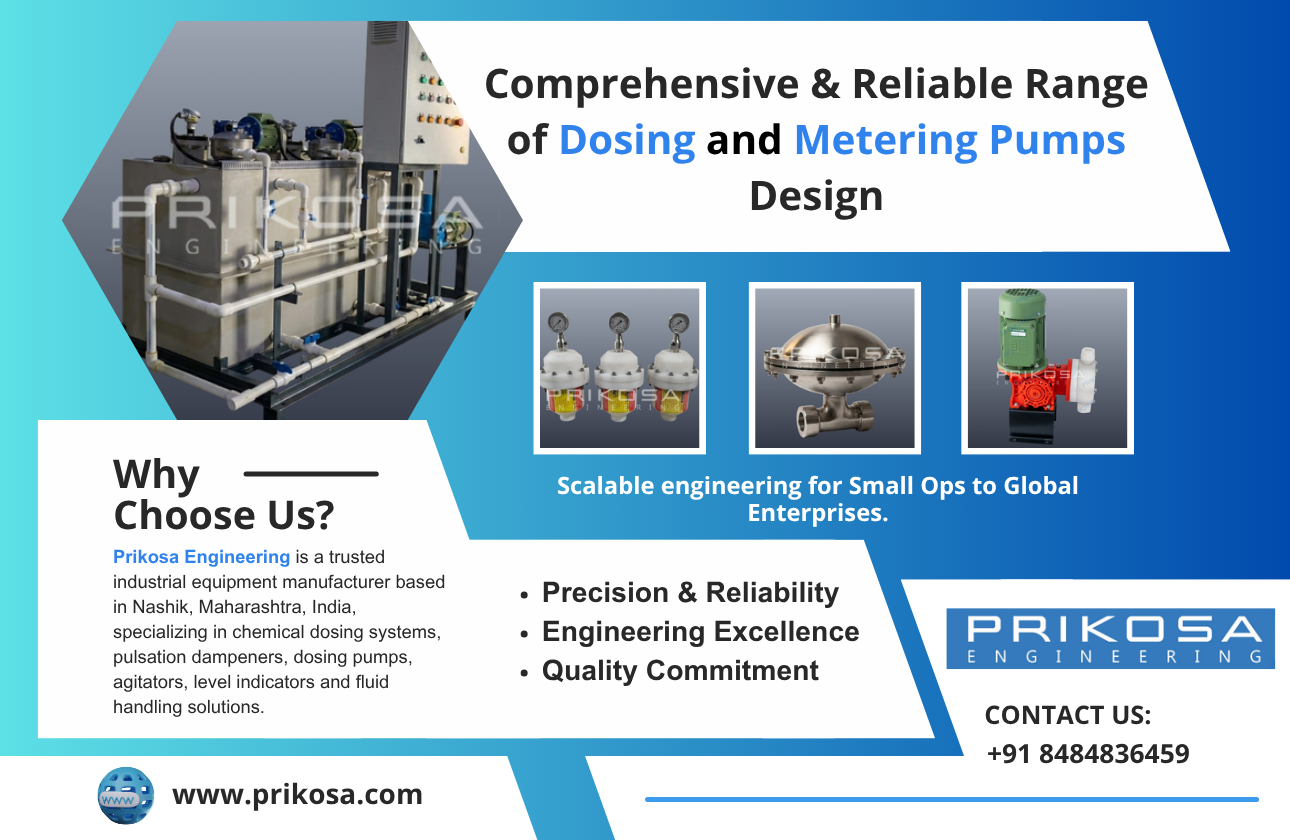
What is an HP Dosing System?
HP, or High Pressure, dosing systems are designed to handle high-pressure environments. They are typically used in industries like water treatment, chemical processing, and oil and gas. The primary purpose is to inject precise amounts of chemicals or fluids into a system under high-pressure conditions. This is crucial for processes that must remain consistent and reliable, such as creating a stable pH level in water treatment facilities. An HP dosing system ensures that the desired chemical concentrations are achieved, which optimizes operational efficiency and protects equipment from damage. For further insights, you can check here.
Key Components of HP Dosing System
An HP dosing system comprises several essential components that work together to deliver accurate dosing. These include the pump, which is the core component that controls the flow rate. Then there's the suction and discharge line, which moves the chemical from the tank to the required destination. The pressure relief valve ensures that the system operates safely by preventing overpressure. Additionally, sensors and control systems monitor and adjust the dosing parameters. Detailed components and their connections make the system suitable for high-pressure applications. A more in-depth look at components can be explored here.
Applications of HP Dosing Systems
HP dosing systems are used in various settings due to their ability to handle demanding conditions. In oil and gas, they are employed for corrosion inhibition and odor control. In water treatment facilities, they help maintain the necessary chemical balance for safe drinking water. The food and beverage industry also relies on these systems to ensure that production lines adhere to health and safety standards by controlling microbial growth. Their precision and reliability make them indispensable in scenarios where precise chemical distribution is necessary. More specific industry applications can be explored here.
What is an LP Dosing System?
LP, or Low Pressure, dosing systems are designed for applications that don't require the high-pressure capabilities of HP systems. They're often used in smaller-scale operations or where precise control is still necessary but in a low-pressure environment. Common uses include delivering small amounts of chemicals into cooling systems or for simple water treatment processes. They are cost-effective and less complex compared to their high-pressure counterparts. For a broader understanding, read through the information provided here.
Components of an LP Dosing System
Similar to HP systems, LP dosing systems consist of a pump and tubing but are usually designed to operate under lower pressure. This makes the components typically lighter and often less costly. A notable feature is the use of blowers or spargers that help in distributing the chemicals evenly in a low-pressure environment. The flexibility and ease of use make them ideal for industries like agriculture or smaller scale production. More technical details on components can be found here.
Applications of LP Dosing Systems
LP dosing systems are favored in processes where high pressure is unnecessary. They’re commonly used in pharmaceutical companies for drug development where minute quantities of fluids are required. An excellent example is liquid fertilization in agriculture where the system supplies plants with precise chemical mixtures. In food processing, LP systems are employed to add flavors or preservatives appropriately. Their versatility and reliability make them adaptable in many operations. For more specific uses, you can read here.
Frequently Asked Questions
1. What industries use HP dosing systems most?
Answer: HP dosing systems are primarily used in industries like water treatment, oil and gas, and chemical processing. Their ability to operate under high-pressure conditions makes them essential for consistent and safe chemical distribution.
2. Are LP dosing systems cost-effective?
Answer: Yes, LP dosing systems tend to be more cost-effective than HP systems due to their simpler design and operation in lower pressure environments. They are ideal for smaller-scale applications where high precision at low cost is desired.
3. How do I maintain an HP dosing system?
Answer: Regular maintenance includes checking the pumps, sensors, and valves, ensuring they function correctly. It's essential to keep the system clean and free of obstructions. Following the manufacturer’s guidelines will help in extending the system's life.
4. Can HP dosing systems be used in food production?
Answer: Yes, HP dosing systems can be used in food production, particularly in scenarios where precise chemical dosing is required to maintain product safety and quality, such as pH control or microbial management.
5. What safety precautions are needed for LP dosing systems?
Answer: Safety precautions for LP dosing systems include regular monitoring of dosing accuracy and preventing over-pressurization. It's also important to use safety gear when handling chemicals and to follow standard operating procedures.