
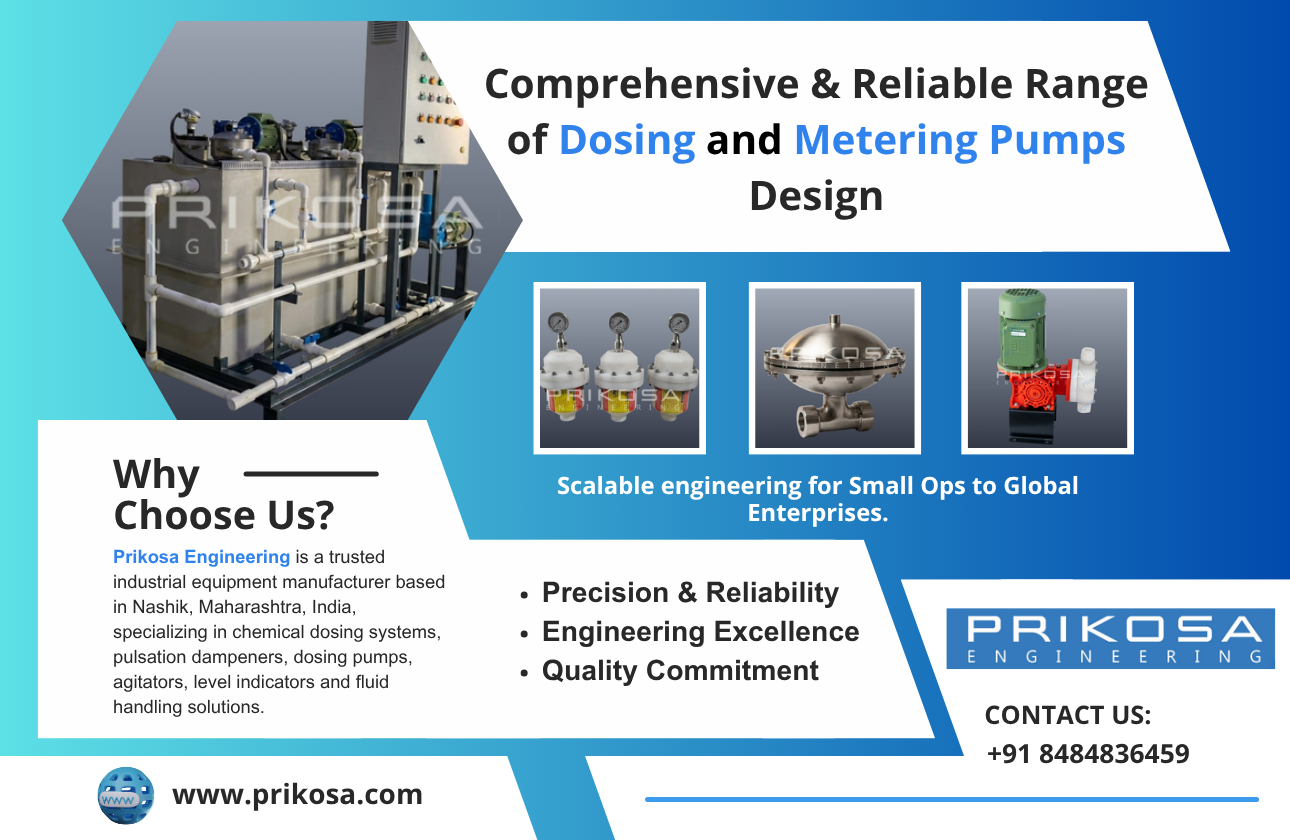
Introduction to Calibration Pots
Calibration pots play a crucial role in many industrial and chemical processes. They are used to ensure that dosing pumps are dispensing the correct amount of chemical solutions into various systems. Essentially, calibration pots are designed to measure and verify the flow rate of chemical pumps, which is vital for the accuracy and efficiency of chemical dosing systems. They usually come in different sizes and materials, depending on the specific requirements of the process they are used for.
What Are Calibration Pots?
Calibration pots are transparent or semi-transparent containers made from materials such as glass, acrylic, or stainless steel. They are marked with graduated scales that allow operators to measure the volume of liquid dispensed by a dosing pump over a certain period. This measurement makes it easier to adjust the pump’s settings for precise chemical injection. Planning and accurate measurement with calibration pots can prevent over or under dosing, which is critical in maintaining the integrity and safety of chemical processes.
How Do Calibration Pots Work?
The principle behind calibration pots is relatively straightforward. The pot is filled to a specific mark with the chemical solution in question, and as the pump operates, the amount drawn down is observed over a set time period. The difference in volume helps determine the pump’s discharge rate. Calibration pots are effective because they offer a simple yet accurate way to confirm that your system is calibrated correctly, ensuring chemicals are delivered at the right concentration and flow.
Benefits of Using Calibration Pots
Calibration pots offer numerous advantages for both new and established systems. By using them, operators can regularly verify and maintain the accuracy of dosing systems, leading to more reliable chemical processes. This regular verification helps in reducing errors, ensuring safety, and extending equipment lifespan. Besides accuracy, using these pots also supports cost savings by minimizing the waste of often-expensive chemical reagents and solutions.
Applications of Calibration Pots
Calibration pots are found in a wide variety of industries, including water treatment, chemical manufacturing, and food processing. In water treatment, they help ensure that chemicals are added in the correct proportions for effective purification. Similarly, in chemical manufacturing, understanding the exact dosing rate can improve production consistency and product quality. This versatility makes them indispensable tools across multiple sectors.
Choosing the Right Calibration Pots
Selecting the appropriate calibration pots involves considering several factors, such as the chemical compatibility, desired accuracy, and the flow rate of the pump system in use. For example, while glass pots might be suitable for non-reactive chemicals, more aggressive solutions might require stainless steel or other specialized materials. The choice often depends on the complexity and specific requirements of the dosing system being used.
Best Practices for Calibration Pot Usage
To get the most out of calibration pots, it is important to follow some best practices. Regularly cleaning the pots ensures accurate readings, free from any residues that might skew measurements. It is also important to ensure the pot is stable during measurement and marked clearly for easy reading. Integrating the pots into a routine maintenance schedule can help sustain the reliability of the dosing systems.
Frequently Asked Questions
1. What is the main purpose of a calibration pot?
Answer: The primary purpose of a calibration pot is to accurately measure the discharge rate of a dosing pump. This ensures that the pumps are dispensing the correct amount of chemical solutions for process safety and efficiency.
2. How often should calibration pots be used?
Answer: Calibration pots should ideally be used regularly as part of a maintenance routine or whenever there are changes to the system setup, such as switching chemicals or altering flow rates.
3. What materials are calibration pots made from?
Answer: Calibration pots can be made from materials like glass, acrylic, or stainless steel. The choice of material depends on the chemical compatibility and the specific application needs.
4. Can calibration pots be used with all types of dosing pumps?
Answer: Yes, calibration pots are designed to work with most types of dosing pumps. However, it’s crucial to ensure that the calibration pot material is compatible with the chemicals being used in the system.
5. Are there any alternatives to calibration pots?
Answer: While calibration pots are popular, other tools like flow meters can also be used for similar measurements. However, calibration pots are often preferred for their simplicity and reliability in manual dosing checks.