
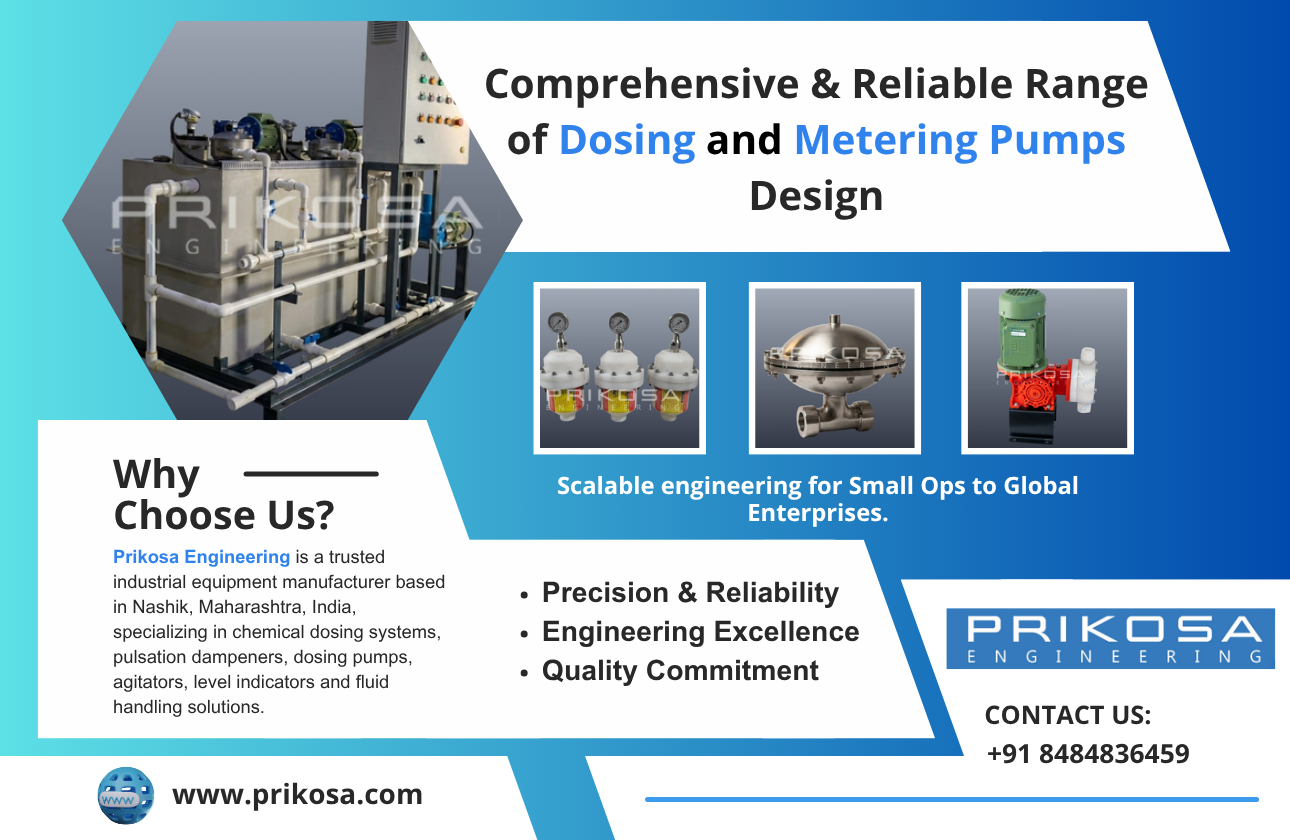
Introduction to Pulsation Dampeners for Dosing Pumps
Pulsation dampeners are essential devices used with dosing pumps to smooth out the flow created by the pumps' operation. Dosing pumps, while effective, often produce pulsating flows due to the reciprocating motion of their diaphragms. These pulsations can cause rapid pressure changes, which might lead to inefficient pump operation or even damage in sensitive systems. Pulsation dampeners come into play by absorbing the pressure spikes and delivering a consistent flow. This enhances the dosing pump's efficiency, prolongs equipment life, and ensures precise dosing, which is crucial in a variety of industrial applications.
How Pulsation Dampeners Work with Dosing Pumps
The job of a pulsation dampener for dosing pumps is quite simple yet vital. Essentially, it is a chamber that is placed within the pump line and filled with a compressible gas or a spring-loaded bladder. As the dosing pump creates pulsations—pressure surges followed by dips—the dampener absorbs these variations. By doing so, it balances out the pressure and maintains a steady flow of the fluid being pumped. This stabilization not only improves the accuracy of the dosing process but also helps in protecting downstream equipment from potential harm due to pressure fluctuations. For more insight, you can explore detailed discussions on understanding pulsation dampeners.
Installation and Maintenance of Pulsation Dampeners
Installing a pulsation dampener for dosing pumps is generally straightforward but does require careful attention to detail to ensure optimal performance. It's important to place the dampener as close to the pump discharge as possible. This proximity helps in reducing pulsations right at their source. Regular maintenance involves checking the pre-charge pressure of the gas or tension of the spring in the dampener, which should align with the system's operational parameters. You might find the guidelines in chemical dosing systems helpful in understanding related system setups.
The Benefits of Using Dosing Pump Pulsation Dampeners
The use of a dosing pump pulsation dampener comes with several benefits. First and foremost, it ensures a smoother and more consistent flow. By mitigating pressure surges, the dampener helps maintain a stable system, reducing wear and tear on equipment. This ultimately leads to decreased downtime and lower maintenance costs. Additionally, precise control over dosing is achieved, which is critical, especially in industrial applications such as water treatment and chemical processing. The detailed functionalities of these dampeners are thoroughly covered in articles like everything about pulsation dampeners.
Applications of Pulsation Dampeners in Different Industries
Pulsation dampeners for dosing pumps are used in a myriad of industries, including water treatment, chemical manufacturing, and food processing. In water treatment plants, they ensure the efficient mixing of chemicals by providing a constant flow, which is crucial for processes such as disinfection and pH control. In the chemical industry, consistent dosing can prevent dangerous reactions and maintain product quality. The food industry also benefits as these devices help in precise ingredient dosing for consistent taste and texture. You can further explore the role of dosing pumps in industry applications by visiting resources such as dosing pumps in various applications.
Pulsation Dampener Selection and Sizing
Choosing the right pulsation dampener for a dosing pump involves considering several factors. The size of the dampener must align with the flow requirements and operating pressures of the system. A correctly sized dampener will efficiently eliminate pulsations without causing any interruption in the flow. It's essential to understand the chemical properties of the fluid being pumped since this will influence the choice of materials for the dampener construction. Sizing tools and selection guidelines can usually be obtained from manufacturers, and online resources, including automatic dosing systems information, can provide beneficial insight.
Frequently Asked Questions
1. What is the primary function of a pulsation dampener in a dosing pump system?
Answer: The primary function of a pulsation dampener is to absorb pressure fluctuations caused by the dosing pump's reciprocating action, thus ensuring a smooth and continuous flow of liquid.
2. How often should a pulsation dampener be maintained?
Answer: Regular maintenance is key. Typically, the gas pre-charge or spring tension should be checked in line with the system’s maintenance schedule, usually every six months.
3. Can pulsation dampeners be used with all types of dosing pumps?
Answer: Yes, pulsation dampeners are versatile and can be used with most types of dosing pumps to enhance performance by stabilizing fluid flow.
4. What are the signs that a pulsation dampener needs servicing?
Answer: Common signs include irregular flow rates, unexpected noise, or increased vibration in the system, which indicates that the dampener might not be functioning optimally.
5. Do pulsation dampeners require specific operating conditions?
Answer: They require conditions within specified pressure and temperature limits. The dampener materials must be compatible with the chemical properties of the pumped fluids.