
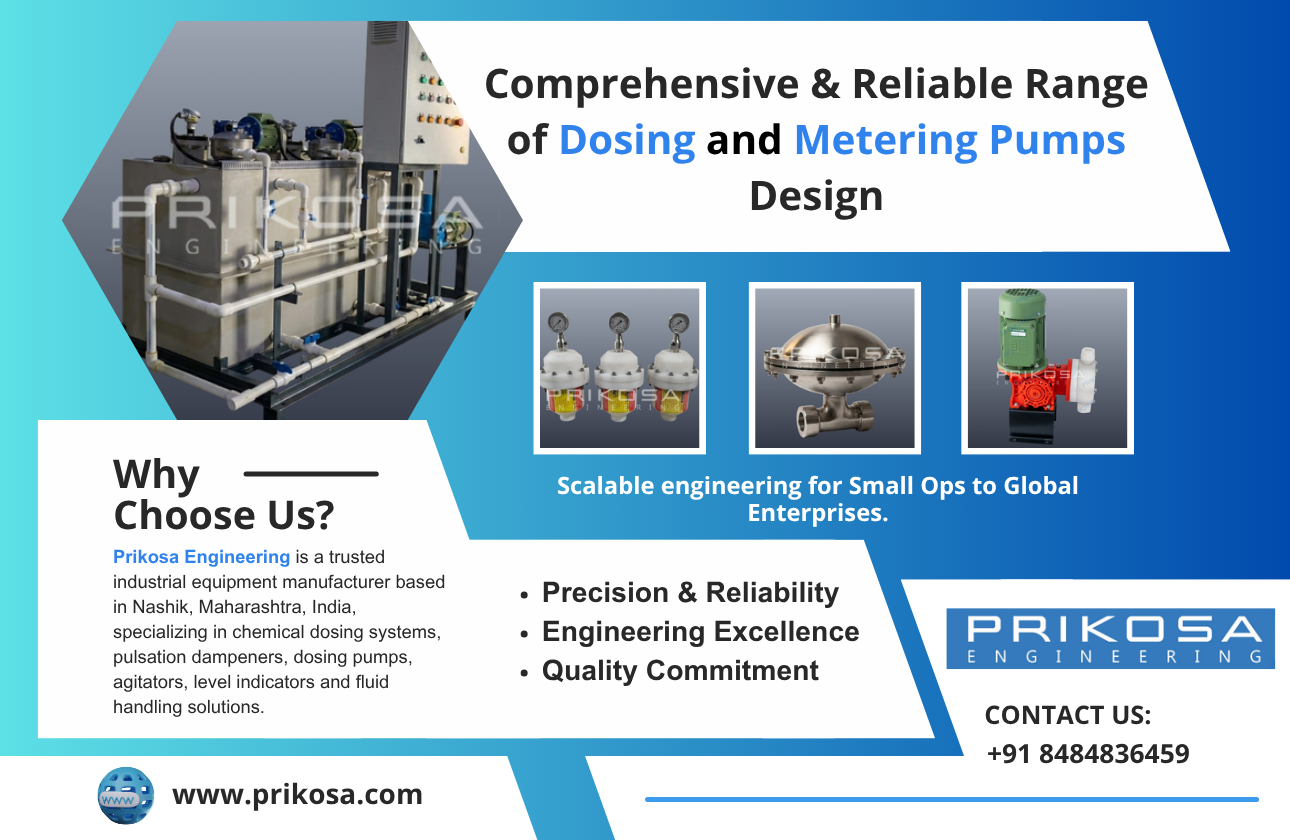
Introduction to Chemical Injection Skid Packages
Have you ever wondered how industries manage the precise injection of chemicals into their systems? That's where chemical injection skid packages come in. These systems are vital in ensuring chemicals are accurately handled, enhancing safety and efficiency in various applications. Whether for the oil and gas industry, water treatment, or manufacturing, these skids are a backbone of modern industrial operations. By delivering precise amounts of chemicals, they help prevent costly overuse and underuse, ensuring optimal performance. Let's explore more about these integral systems.
The Importance of Chemical Injection Skid Packages
Chemical injection skid packages are crucial because they handle potentially hazardous chemicals safely and accurately. Their design incorporates pumps, controllers, and storage tanks to streamline the chemical dosing process, minimizing risks related to human error. In critical environments like oil refineries, chemical plants, and waste treatment facilities, these systems help maintain operational integrity by preventing issues like corrosion, build-ups, and inefficiencies. Thus, they play a significant role in operational sustainability and safety.
Components of a Chemical Injection Skid Package
A typical chemical injection skid package comprises several key components, each serving a unique purpose. These include pumps, which drive the chemical flow, storage tanks for holding agents, and control systems to manage dosing accuracy. Additionally, you might find calibration columns that verify dose accuracy. When these components work harmoniously, they ensure precise chemical delivery, reducing wastage and enhancing process efficiency. Understanding the roles of these parts is essential for grasping the overall effectiveness of a skid package.
Applications of Chemical Injection Skid Packages
Chemical injection skid packages are widely applied across various industries. In the oil and gas sector, these systems are indispensable, ensuring the smooth flow of extracted resources by preventing corrosion and scaling. Water treatment facilities utilize them to maintain water pH and remove impurities, ensuring safe water supply. Additionally, manufacturing plants leverage these skids to introduce additives during production. By handling chemicals precisely, they enhance product quality and operational safety.
How to Choose the Right Chemical Injection Skid Package
Selecting the right chemical injection skid package depends on several factors, including the type of chemicals, the desired injection rate, and the environmental conditions where it will be used. Consulting with experts and understanding your operational needs is crucial in making the right choice. To grasp how these systems fit into larger frameworks, exploring resources on chemical injection skid packages can offer deep insights. With the right system, operations can become more streamlined, safe, and economically efficient.
Challenges and Maintenance of Chemical Injection Skid Packages
Despite their efficiency, managing chemical injection skid packages comes with challenges. Routine maintenance is essential to ensure reliability and safety. Issues such as pump wear, dosing inaccuracies, and control system failures can arise if not properly managed. Regular checks and adhering to manufacturer guidelines help mitigate these risks. Engaging with comprehensive guides like understanding chemical injection skid packages empower operators with the knowledge needed to avert common pitfalls.
Frequently Asked Questions
1. What are chemical injection skid packages?
Answer: Chemical injection skid packages are systems designed to inject precise amounts of chemicals into industrial processes. They ensure safety, efficiency, and accuracy in chemical handling across various industries like oil and gas or water treatment.
2. Why are they important in the oil and gas industry?
Answer: In the oil and gas industry, these skids prevent corrosion, scaling, and hydrate formation during extraction and processing, maintaining smooth operations and reducing maintenance costs.
3. How often should a chemical injection skid package be maintained?
Answer: Maintenance frequency depends on several factors, including usage intensity and environmental conditions. However, routine checks are typically recommended every three to six months to ensure optimal performance and prevent failures.
4. Can chemical injection skid packages be customized?
Answer: Yes, these systems can be customized based on the specific needs of an operation. Factors such as chemical types, dosing rates, and environmental conditions inform customization to maximize efficiency and safety.
5. Where can I find more information on these systems?
Answer: For detailed insights, articles like understanding chemical dosing systems and resources on chemical injection skid packages offer comprehensive information to guide your understanding.